
Habits of Memory and Reverence
In Memoriam: Wendell Berry (1934-2026)
By Richard Scheuerman, Palouse Heritage Co-Founder & Contributing Blogger
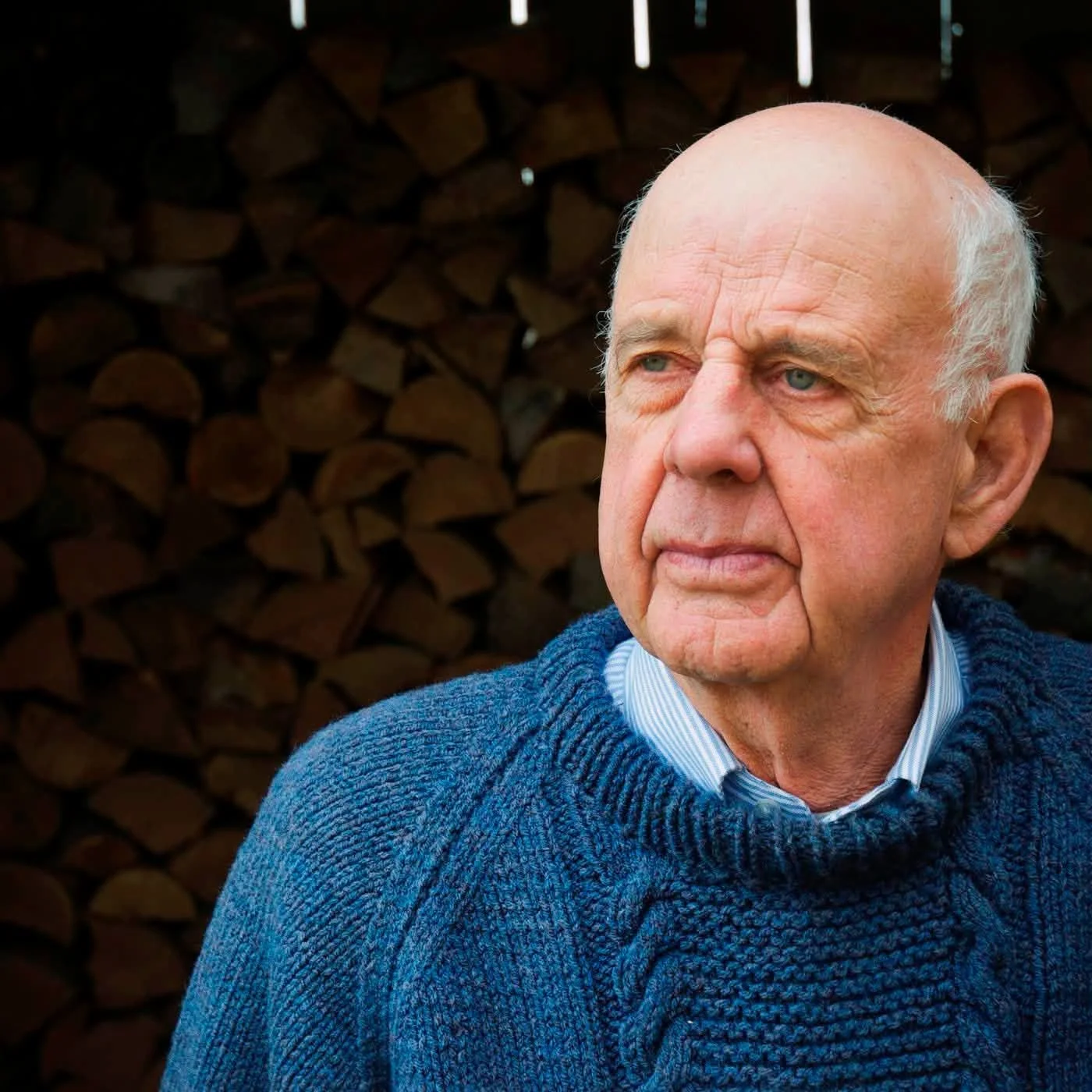
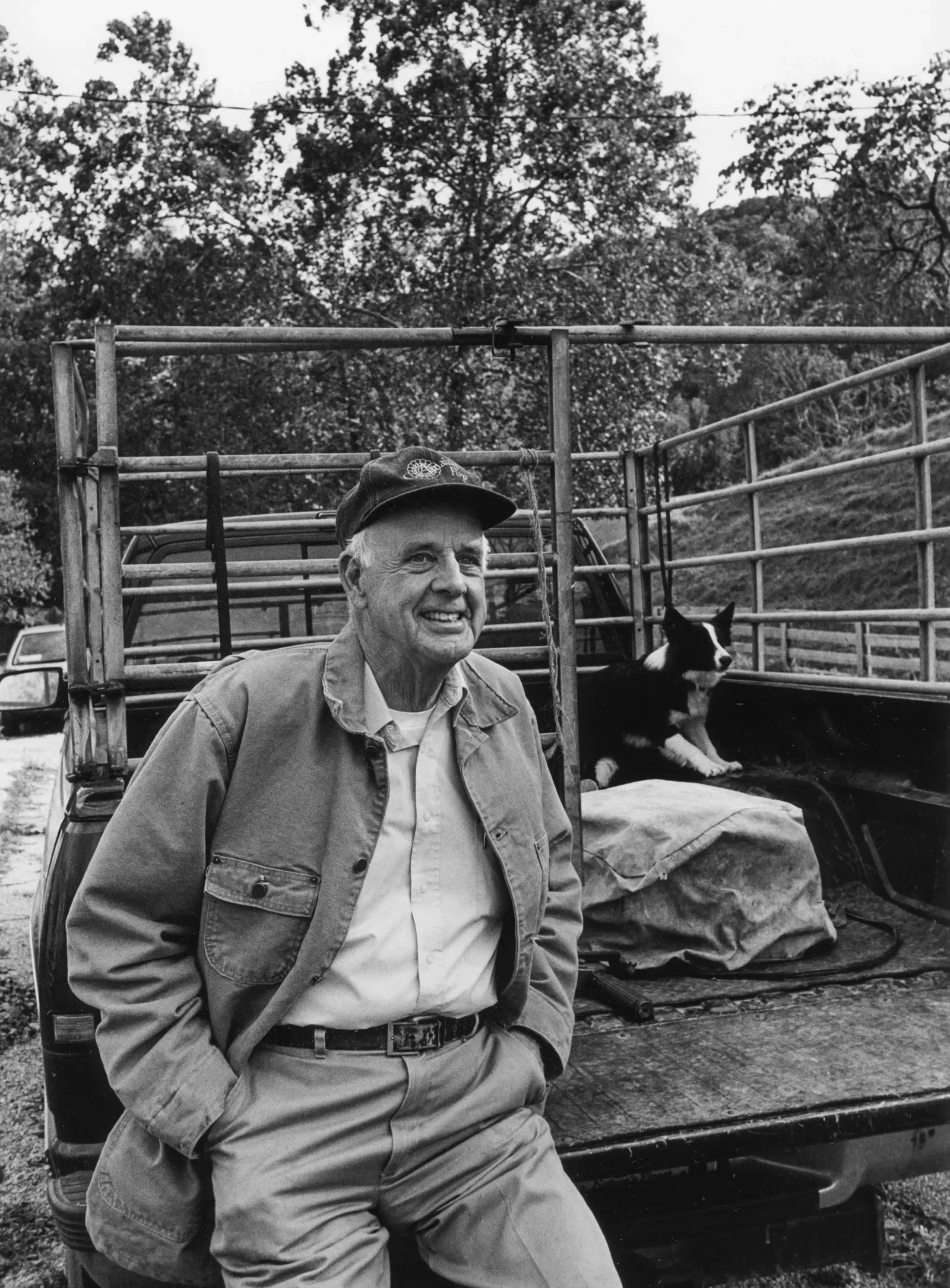
Kentucky philosopher-farmer-environmentalist Wendell Berry passed away at age 92 at his home near Port Royal on August 31, 2026. The prolific author supplied rare wisdom to matters of timeless consequence, like personal excellence, civic responsibility, and meaning-making, in this challenging era of contemporary complexity. Through no-nonsense essays, evocative poems, and compelling fiction, Berry carried forth on explorations of what he called the “Great Economy” and “Kingdom of God” for individual and community flourishing. His solutions were viable but not easy, and often unpopular among the forces of consumption.
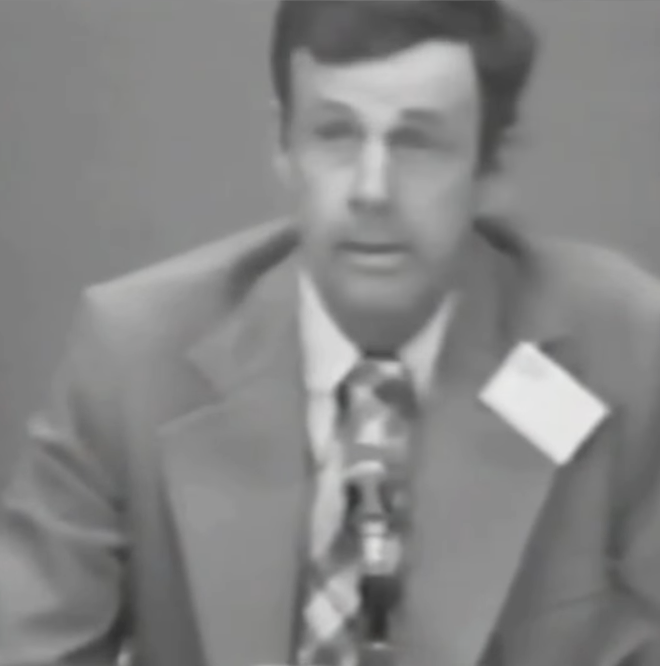
Wendell Berry's address at the 1974 World’s Fair in Spokane
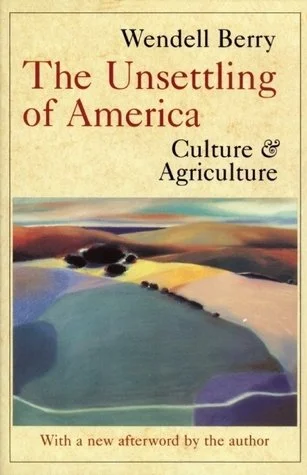
About once a month my wife and I venture north from our home near Richland, Washington, for a two-hour drive to Spokane. The city recently made national headlines after horrific wildfires destroyed some 750 residences. One of his Berry’s first public addresses on environmental change and trends in agriculture took place in July 1974 at the “Agriculture for a Small Planet” symposium held at Gonzaga University in conjunction with Spokane’s “Expo ’74.” The world’s fair was promoted as the first international ecological exposition and Berry’s passionate talk, delivered from scribbled notes on a large yellow pad, included a call for “a constituency for a better kind of agriculture.” The presentation inspired organization of the Northwest Tilth movement for sustainable farming and became seed for of Berry’s best-selling book The Unsettling of America: Culture & Agriculture (1979).
In his essay “The Good Scythe” (1979), Berry grapples with the meaning of progress in modern times. He recalled buying a “power scythe” for cutting grass on a steep hillside near his home, but soon found that the anticipated advantages of reduced labor were offset by the machine’s temperamental motor and considerable racket. The turning point came when a neighbor showed him an old-fashioned scythe that was comfortable to handle and efficient. “There was an intelligence and refinement in its design that make it a pleasure to handle and look at and think about,” Berry observed, and he promptly replaced the powered machine and gas can with a wooden-handled Marugg scythe and whetstone.
Berry didn’t dismiss mechanical innovation; the scythe, after all, is an improvement on the sickle. But he found the episode to have “the force of a parable” about life, labor, and definitions of progress. He advocated time-honored approaches for judging claims of saved labor and short cuts. He warned against the embrace of solutions that tend to bring longer working hours with greater equipment expense, and further move the balance between nature and needs.
Tradition and innovation have presented cultural tensions since the dawn of civilization, and responsible influence from each has contributed to humanity’s wellbeing. Like van Gogh paintings of gleaners and reapers with factory smokestacks on the horizon, agrarian fine art and literature foster better understandings of tensions that involve emotion and reason, and local and universal values. Among other recent developments in grain production, the advent of minimal tillage operations using specialized power equipment has greatly reduced soil erosion on American farms while increasing yields. The New Agrarianism of the twenty-first century moves beyond nostalgic romanticism to moderate use of industrial energy within the context of natural systems for soil fertility. Wise approaches to innovation respect stewardship of land and the longterm wellbeing of others.
Cultural tensions rise with proliferating perils of climate change, concern about impacts on soil biomes and wildlife, and global food security needs. Berry wrote about establishing balance involves mediation of the ancient urges for veneration and exploitation, and consideration of technocratic limits and trade-offs in agricultural improvement. Agronomists estimate that no-till farming has reduced erosion on American farms by 40% since widespread use in the 1980s but this has also created conditions for the emergence of herbicide-resistant weeds, the decrease of soil microbiome diversity, and buildup of chemicals in marketable foods. For Promethian bioentrepreneurs CRISPR gene modification and related technologies offer prospect of crop improvement although prominent biologists acknowledge that cellular arrangements can be altered in ways that are poorly understood.
Reengineering life forms through transgenesis raises questions about the complicated relationships between the natural and unnatural, and theological distinctions between obeying God and playing God, or between earthly tenancy and proprietorship. Wendell Berry explored these tensions and offers recommendations for how anyone can apply the useful habits of memory, attention, and reverence. He recognized the primacy of earth care to support all other human endeavors, and likens this to holy service: “The most exemplary nature is that of the topsoil. It is very Christ-like in its passivity and beneficence, and in the penetrating energy that issues out of its peaceableness. It increases by experience, by the passage of seasons over it, growth rising out of it and returning to it…. It keeps the past, not as history or memory, but as richness, new possibility.” In this sense the urgent partisanship in political and economic affairs becomes secondary to stewardship of land and life, and the function of healthy community for enduring fulfillment.
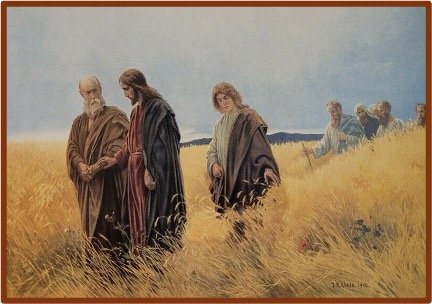
Johann Raphael Wehle, And They Followed Him (1900), Lithograph on cardboard, 4 x 6 inches, Palouse Heritage Collection
Whether on a Columbia Plateau farm or in a Chicago high-rise, one can live with fidelity to place by learning and practicing domestic arts and community building. Family care and homemaking need not require moving “back to the land,” though new paradigms for remote working are facilitating rural residency. In any setting folks can summon moral courage to eat together, affirm the values of environmental care, and shop locally to support practitioners of local crafts.
Policies and practice of self-reliance and promotion of the common good that characterized republicanism in the ancient world are relevant more than ever in an era of threatened landscapes, endangered species, and marginalized labor. Ethicist Julie Crouse characterizes Berry’s ongoing literary conversation about these matters as a “sacred harvest” for renewing the common good by promotion of connections among people, landscapes, and spirituality. In the context of farm work for participation in the market economy, or mental work for healthy imagination and discernment, Berry called the external standard of such endeavors the “Great Economy.” The goal is to promote abiding, abundant harvests and the longterm wellbeing of individuals in community. In spite of dreams of space colonization, exploration of extraterrestrial neighbors near and far has shown that, in the words of science-fiction writer Kim Stanley Robinson, “There is no Planet B.”
Berry explored ideas of earth care most fully in his novels and short stories about the Coulter, Catlett, Branch, and other families. They dwell together in imaginary Port William, for which the author’s native Port Royal served as a touchstone. The place is not a utopian metaphor as its residents navigate with failure and success through cross-currents of old ways and modernity’s encroachments and benefits. In “That Distant Land” (1965), a rural neighborhood crew gathers for tobacco harvest in the sweltering August heat, and Berry cast a scene that resembles field laborers of ancient times: “They dove into the work, maintaining the same pressing rhythm from one end of the row to the other, and yet they worked well, as smoothly and precisely as dancers. To see them moving side by side against the standing crop, leaving it fallen, the field changed, behind them, was maybe like watching Homeric soldiers going into battle. It was momentous and beautiful and touchingly mortal.”
The classical allusion is not incidental. In “The Agrarian Standard” (2002), Berry invoked lines from Virgil’s Fourth Georgic about “an old Cilician” who cares for a small plot of land that produces abundantly because of an ethic “rooted in mystery and sanctity” that values giving back to the health of the soil—an affectionate agrarian stewardship for the sake of present and unborn generations.
Our periodic freeway drives to Spokane follow much of the original route of the Northern Pacific Transcontinental Railroad that linked the Upper Midwest with Puget Sound. On almost every trip we either meet or pass a train of enormous length pulling coal cars filled to the brim or oil tankers. Often we encounter one of each. I have no idea from whence they come or where headed. But the ultimate destination of much of their carbon contents is the atmosphere where such volumes contribute to global warming and newly attendant destructive realities that Spokanites and other worldwide have recently experienced. Berry never sought to ban fossil fuels but encouraged policies of restraint. He advocated alternative energy sources through wind, solar, and other methods championed through initiatives like the Green New Deal, and deplored the cowardice of policy-makers beholden to Big Oil. More than once he was civilly disobedient and jailed for obstructing coal trains. On one such occasion a reporter asked if he had been afraid of being arrested. “Yes!” he replied. “But nothing else seemed to be working.”
