
The Palouse Heritage Blog

Habits of Memory and Reverence
Kentucky philosopher-farmer-environmentalist Wendell Berry passed away at age 92 at his home near Port Royal on August 31, 2026. The prolific author supplied rare wisdom to matters of timeless consequence, like personal excellence, civic responsibility, and meaning-making, in this challenging era of contemporary complexity. Through no-nonsense essays, evocative poems, and compelling fiction, Berry carried forth on explorations of what he called the “Great Economy” and “Kingdom of God” for individual and community flourishing. His solutions were viable but not easy, and often unpopular among the forces of consumption.
“Wheat Amidst the Tulips” — Richard’s Reflections on the 2026 WSU Breadlab Grain Gathering
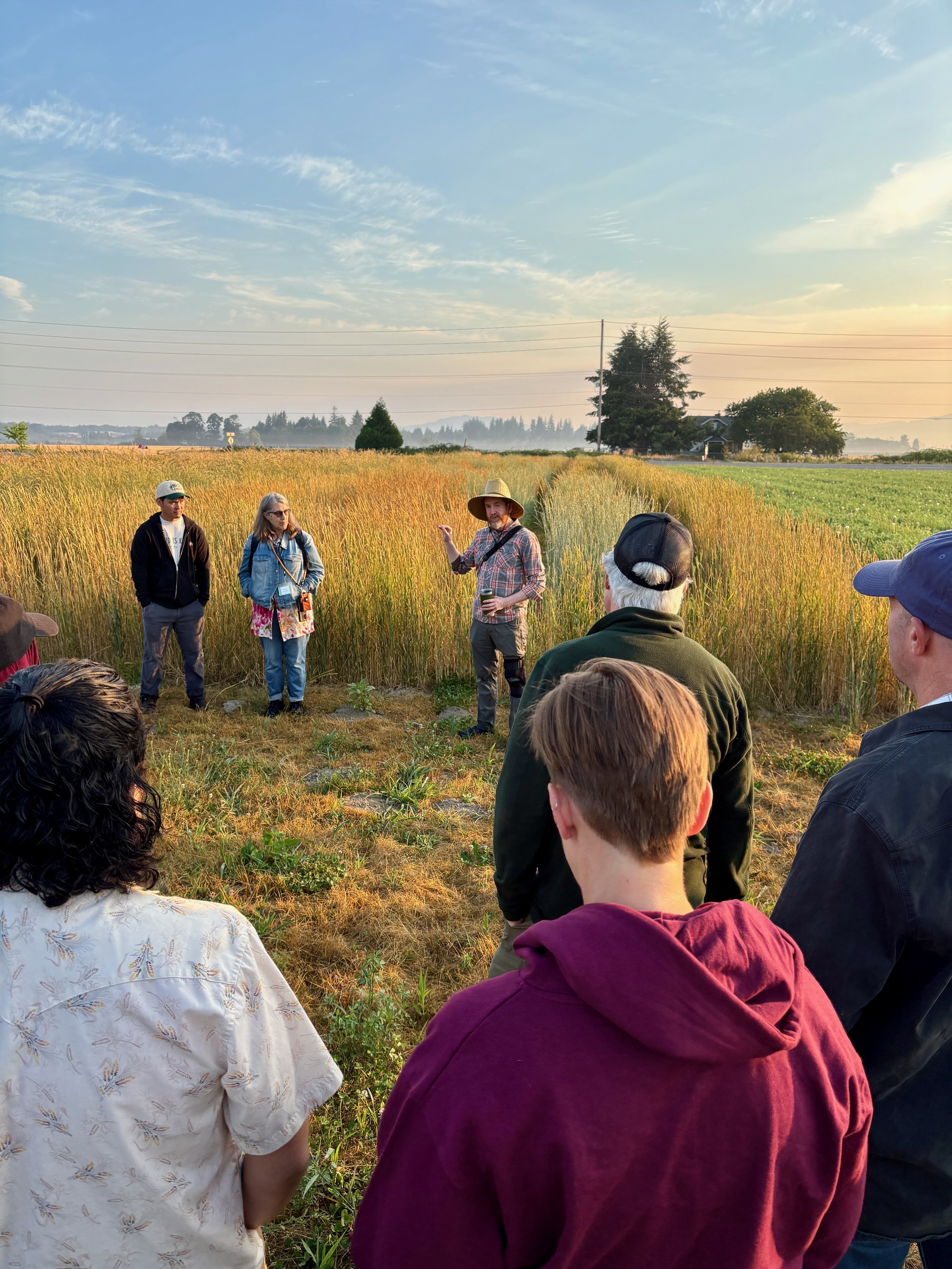
This year’s Grain Gathering took place July 19-21 and featured another sell-out crowd with outstanding presenters organized through the capable leadership of our longtime friends Breadlab director Dr. Kevin Murphy, administrative manager Kim Binczewski, and outreach manager Janine Sanguine. The event is also a kind of reunion of special folks whose friendship and expertise has greatly benefited our Palouse Heritage endeavors through the years. Dr. Jones and crop scientist Steve Lyon were the first persons we reached out to long ago to help us start propagating the historic and nutritionally-dense heritage grains that continue to be the mainstay of our work.
Reflections From the Modern Homesteading Conference
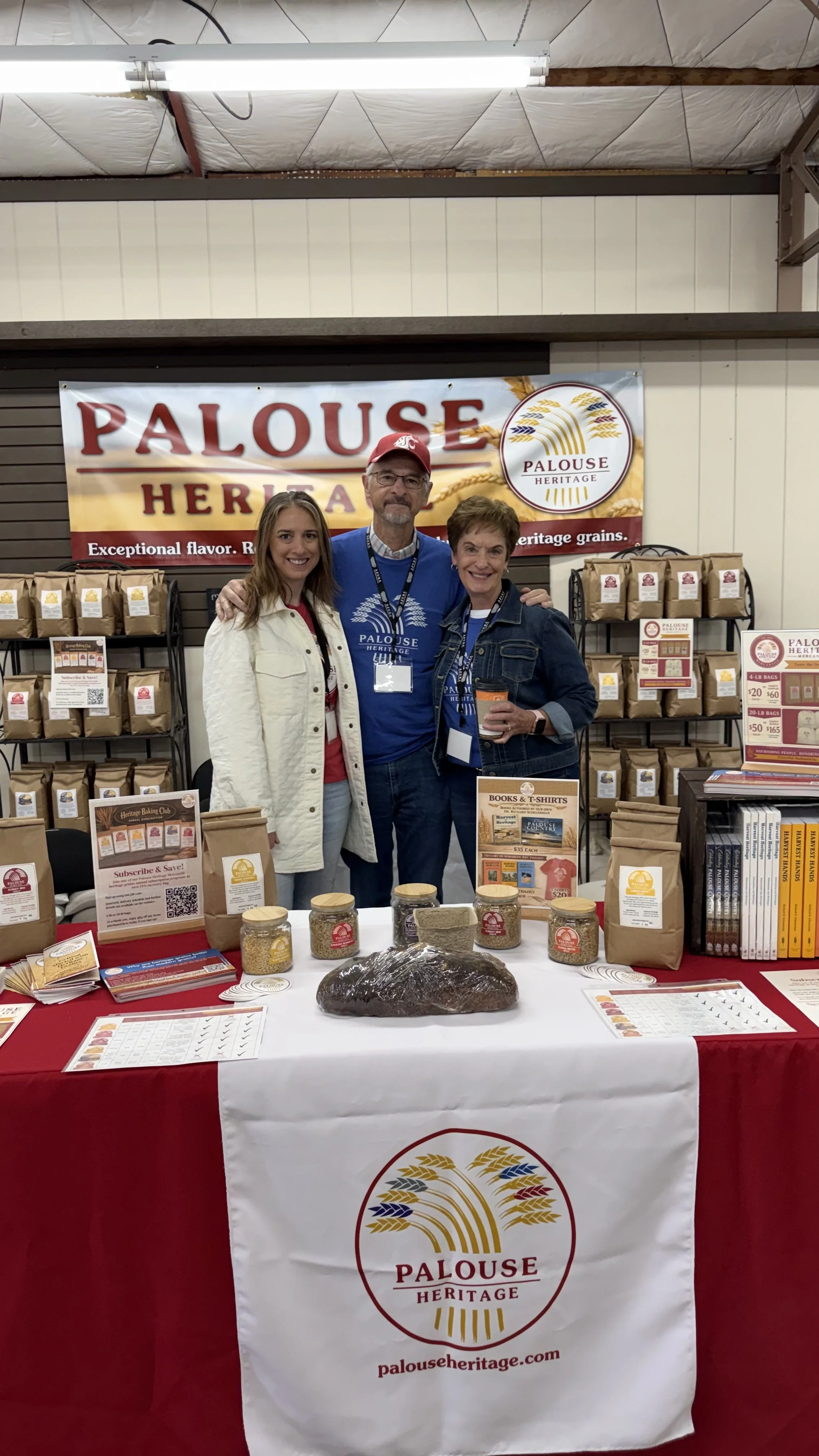
Palouse Heritage Mercantile recently attended the Modern Homesteading Conference in Coeur d’Alene, Idaho, where thousands of homesteaders, bakers, farmers, and food enthusiasts gathered to celebrate traditional skills and regenerative agriculture. In this recap, we share highlights from the event, conversations with customers, our heritage grain display, and why interest in freshly milled flour and heirloom wheat continues to grow across America.
The True Cost of Bread
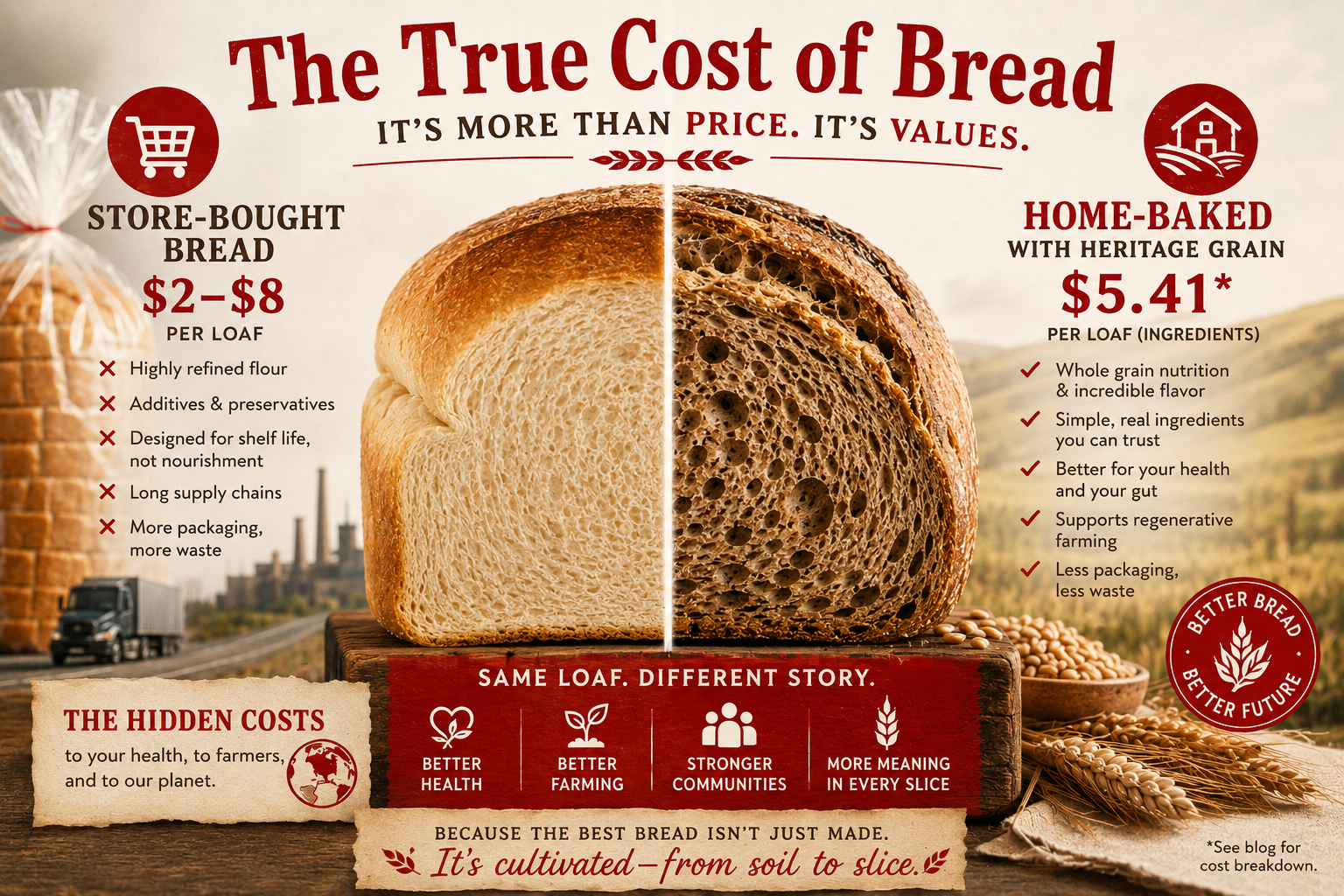
Bread is one of the most familiar foods on our table, simple, comforting, and seemingly inexpensive. A quick trip to the grocery store might suggest that bread is one of the cheapest staples you can buy. But when you look a little closer, the real cost of bread goes far beyond the price printed on the bag.
At Palouse Heritage, we believe it’s worth asking: what are you truly paying for when you buy bread, and what do you gain when you bake it yourself?
Home Grain Mill Performance & Flour Extraction: A Practical Comparison for Home Bakers
Freshly milled heritage grain flour is one of the biggest upgrades a home baker can make, but not all home grain mills perform the same. In this detailed comparison, a friend of Palouse Heritage, a trained chemist and experienced home baker, tested several popular home mills to evaluate flour fineness, extraction rates, sifting performance, and overall usability. The results reveal how mills like the Mockmill 200, Nutrimill Classic, and Mockmill KitchenAid attachment compare in real-world baking applications, while also highlighting why heritage grains and fresh milling consistently produce superior flavor, nutrition, and baking performance compared to modern store-bought flour.
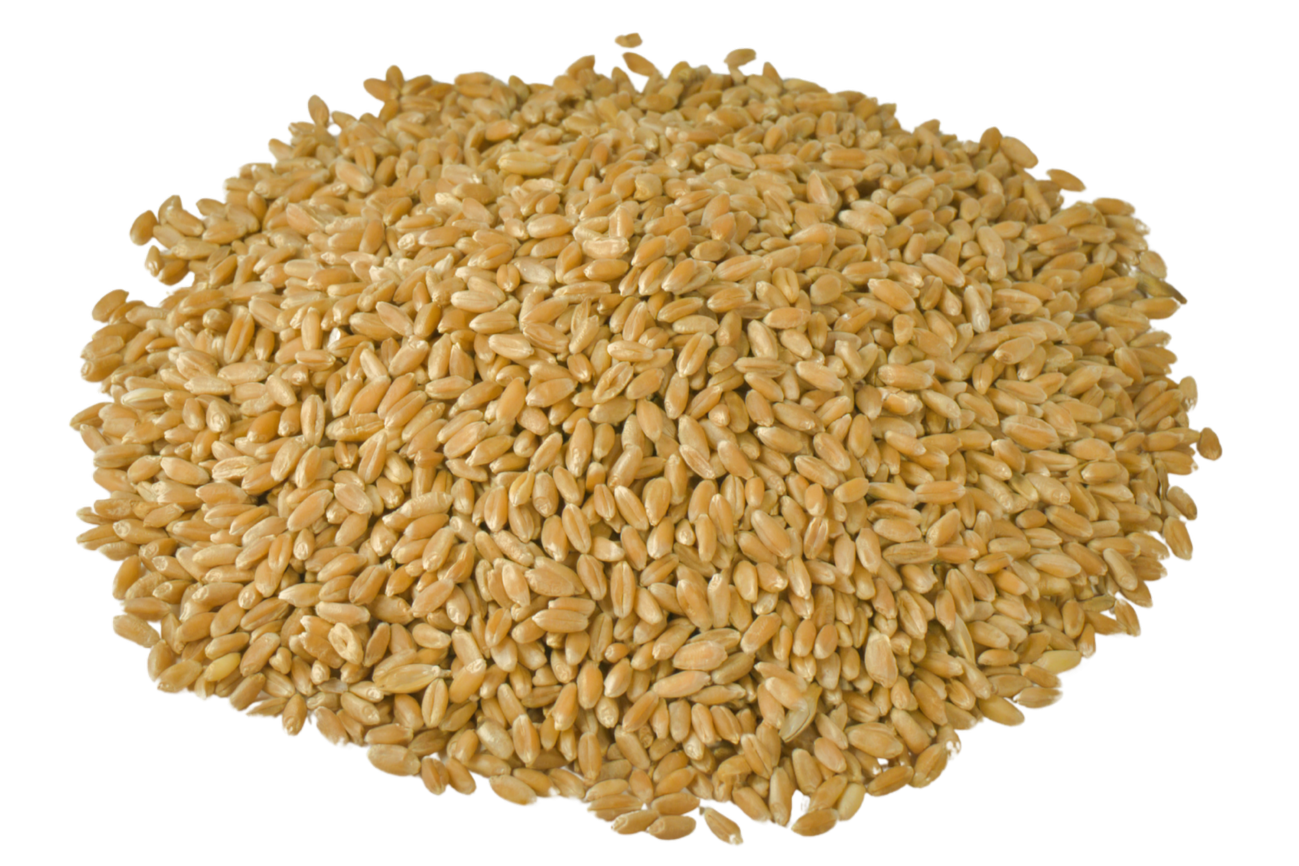
Turkey Red Wheat: The Grain That Built American Bread
Some grains are more than just ingredients. They are stories. They are history. They are identity. Few grains embody that more than our Turkey Red wheat.
At Palouse Heritage Mercantile, Turkey Red is more than just one of our flagship varieties. It is a living connection to history, heritage, and the foundation of American baking as we know it today. Enjoy this blog post as we explore the story behind this remarkable grain.
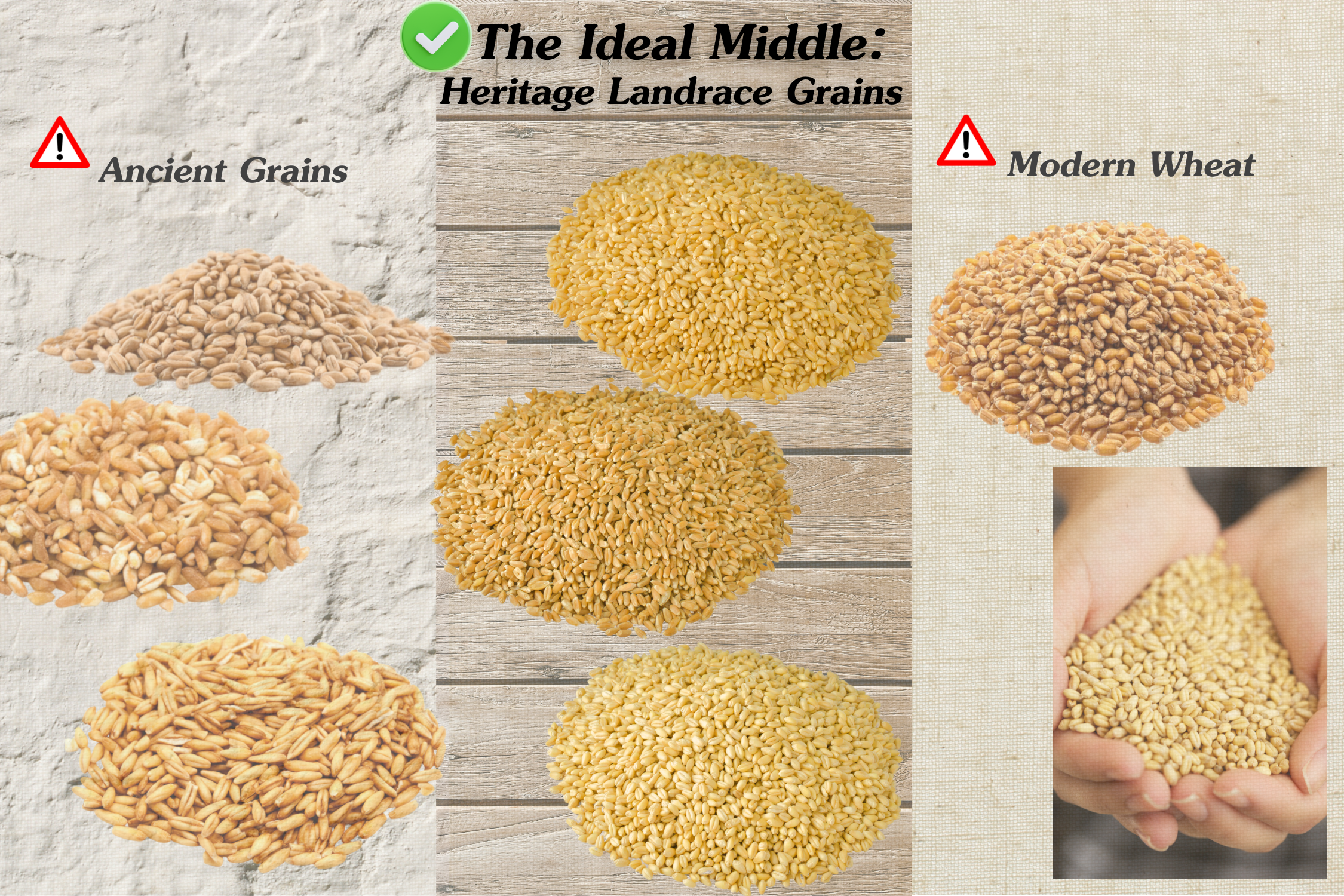
Heritage Landrace Grains: The “Sweet Spot” Between Ancient Grains and Modern Wheat
When people start exploring alternatives to modern wheat, they often hear about ancient grains like einkorn, emmer, and spelt. Others stick with conventional modern wheat because it’s familiar and predictable to bake with. At Palouse Heritage, we focus on a better approach that sits right between those two extremes: heritage landrace grains.

Home Grain Mills Guide: Choosing the Best Mill for Baking With Heritage Grains
Discover the best home grain mills for heritage grain baking in this comprehensive guide from Palouse Heritage. We compare stone, steel, and impact mills — including Mockmill, KoMo, NutriMill, Country Living, and more — to help you find the perfect fit for your home kitchen. Learn how each mill type affects flour texture, nutrition, and flavor. Whether you prefer traditional stone burrs or the clean precision of steel, this guide shows how to bring heritage grains back to your table — fresh, flavorful, and full of life.

The Incredible Benefits of Freshly Milling Your Own Flour at Home
There’s nothing quite like the aroma of freshly milled flour. For centuries, people have milled their own grain at home—transforming whole kernels into wholesome, nutrient-rich flour for their daily bread. Today, more and more home bakers, health-conscious families, and self-reliant homesteaders are rediscovering this ancient practice—and finding that it changes everything about the way they bake, eat, and feel.
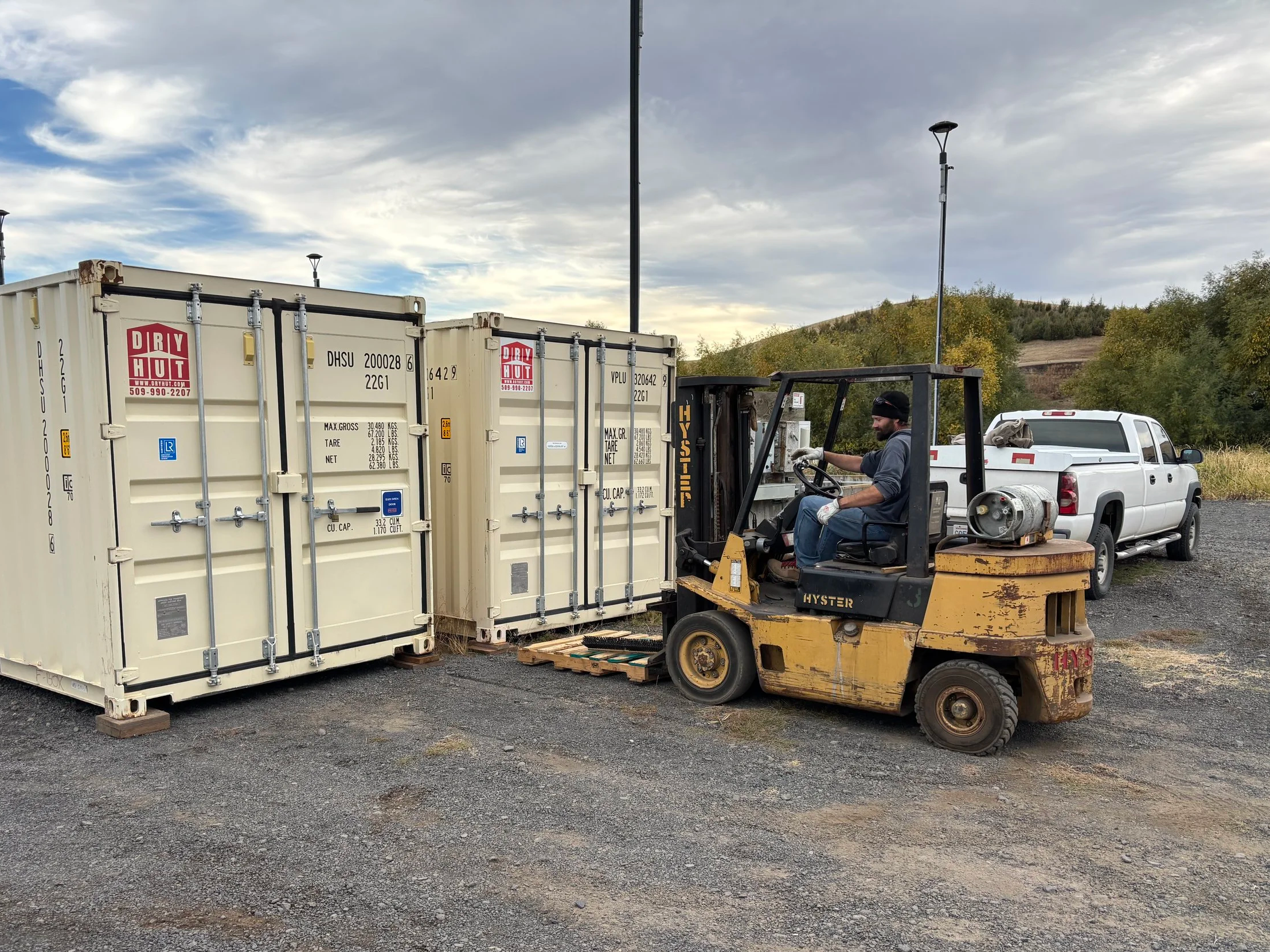
Reflections on Summer 2025
“Amateurs talk strategy. Professionals talk logistics.”
That line from General Omar Bradley has been our theme this season as we’ve refined how we store, clean, and handle heritage grains — all while deepening partnerships with organic growers across the Palouse.
Catch our latest update in this latest blog post.

Organic vs. Salmon-Safe vs. Conventional: What’s the Difference in How Grains Are Grown?
We are often asked if our grains are organic. Learn how our organic and Salmon-Safe Certified regenerative farming practices protect soil, water, and health — and why they’re a cleaner, safer alternative to conventional farming.

Pacific Northwest History Award!

30th Anniversary Edition of Palouse Country is Released!

More Supply Chain Disruptions Threaten Global Food Security

New Research Uncovers Immense Value from Old Wheat Varieties
‘Grain Forward’ with Palouse Heritage Grains & The History of Grain Exploration

Heritage Grains Play an Essential Role in National and Global Security
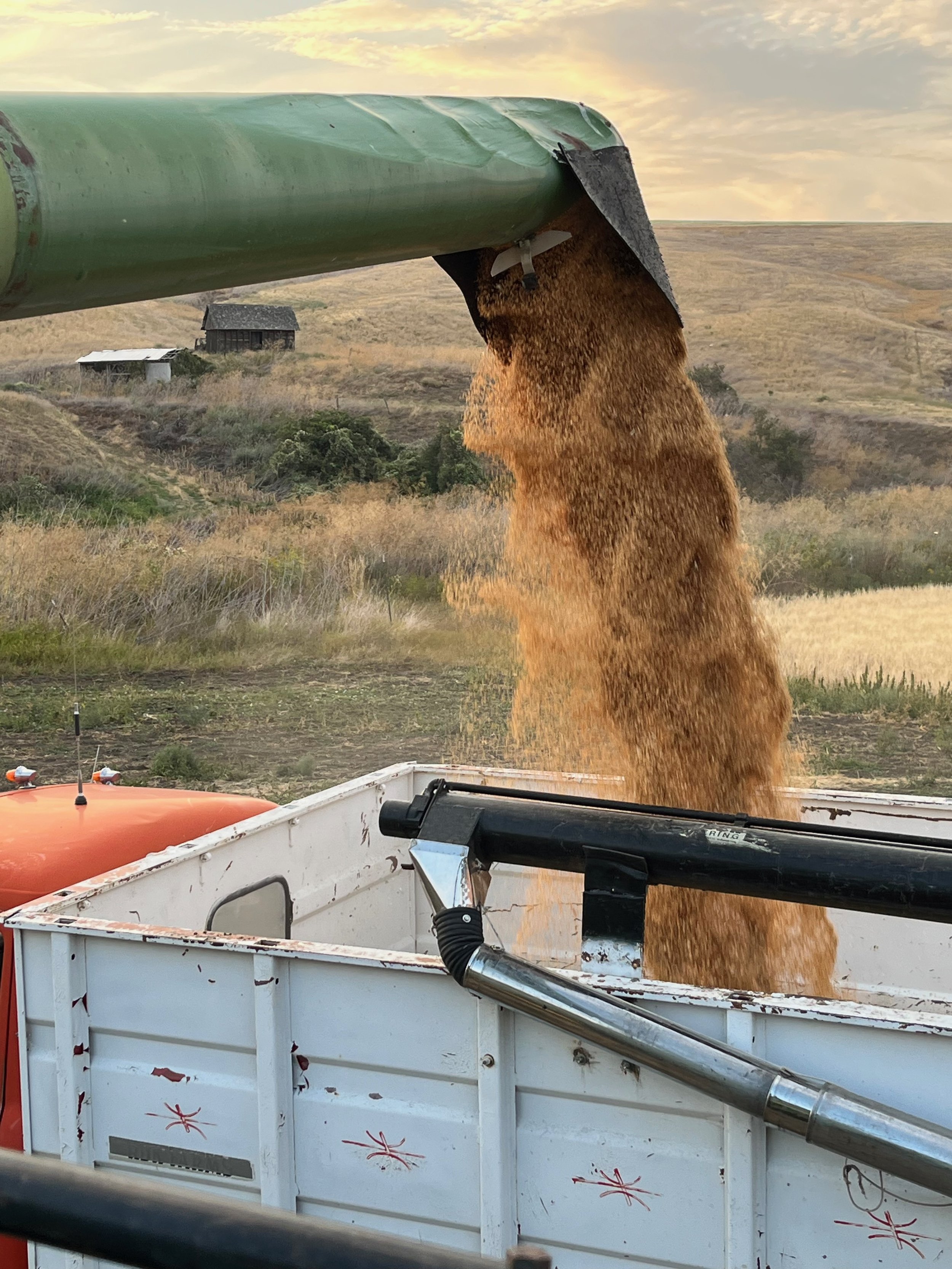
Summer Reflections
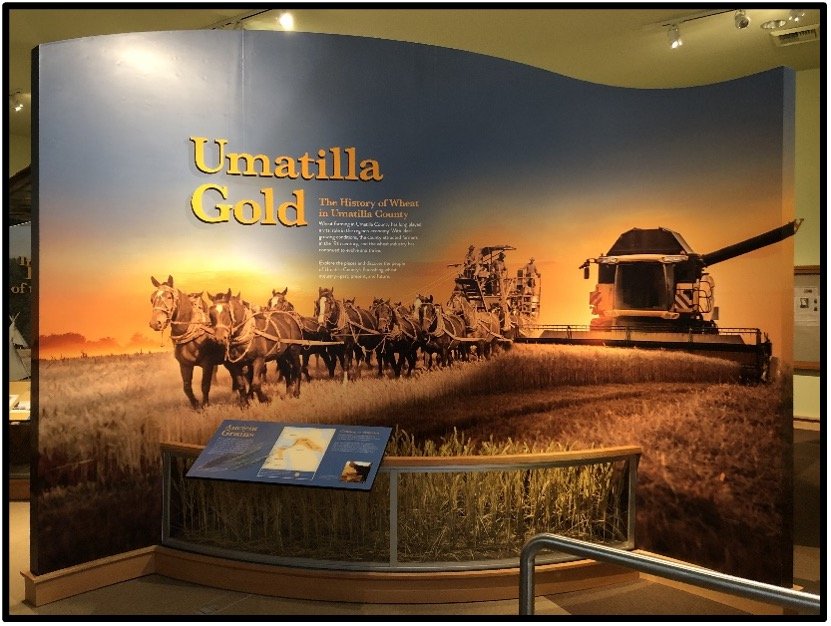
Pendleton’s Umatilla County Museum and the Runquist Brothers
