
Turkey Red Wheat: The Grain That Built American Bread
Some grains are more than just ingredients. They are stories. They are history. They are identity. Few grains embody that more than our Turkey Red wheat.
At Palouse Heritage Mercantile, Turkey Red is more than just one of our flagship varieties. It is a living connection to history, heritage, and the foundation of American baking as we know it today. Enjoy this blog post as we explore the story behind this remarkable grain.
A Grain That Changed Everything

Turkey Red is a hard red winter wheat originally known as “Krimka,” a grain native to the Crimean region of present-day Ukraine. When it arrived in the United States in the 1870s, it transformed American agriculture and baking almost overnight.
Before Turkey Red, most wheat grown in North America was soft-kernel wheat. These varieties were better suited for biscuits, flatbreads, and quick breads, not the risen loaves we now associate with traditional bread. Turkey Red changed that. Its hard kernels, strong gluten structure, and exceptional flavor made it ideal for yeast breads, opening the door to a new era of baking in America.
The timing was perfect. Around the same period, the advent of commercial roller milling made it easier to process hard wheats like Turkey Red into consistent, high-quality flour. Together, this grain and technology helped shape the bread culture we still enjoy today.

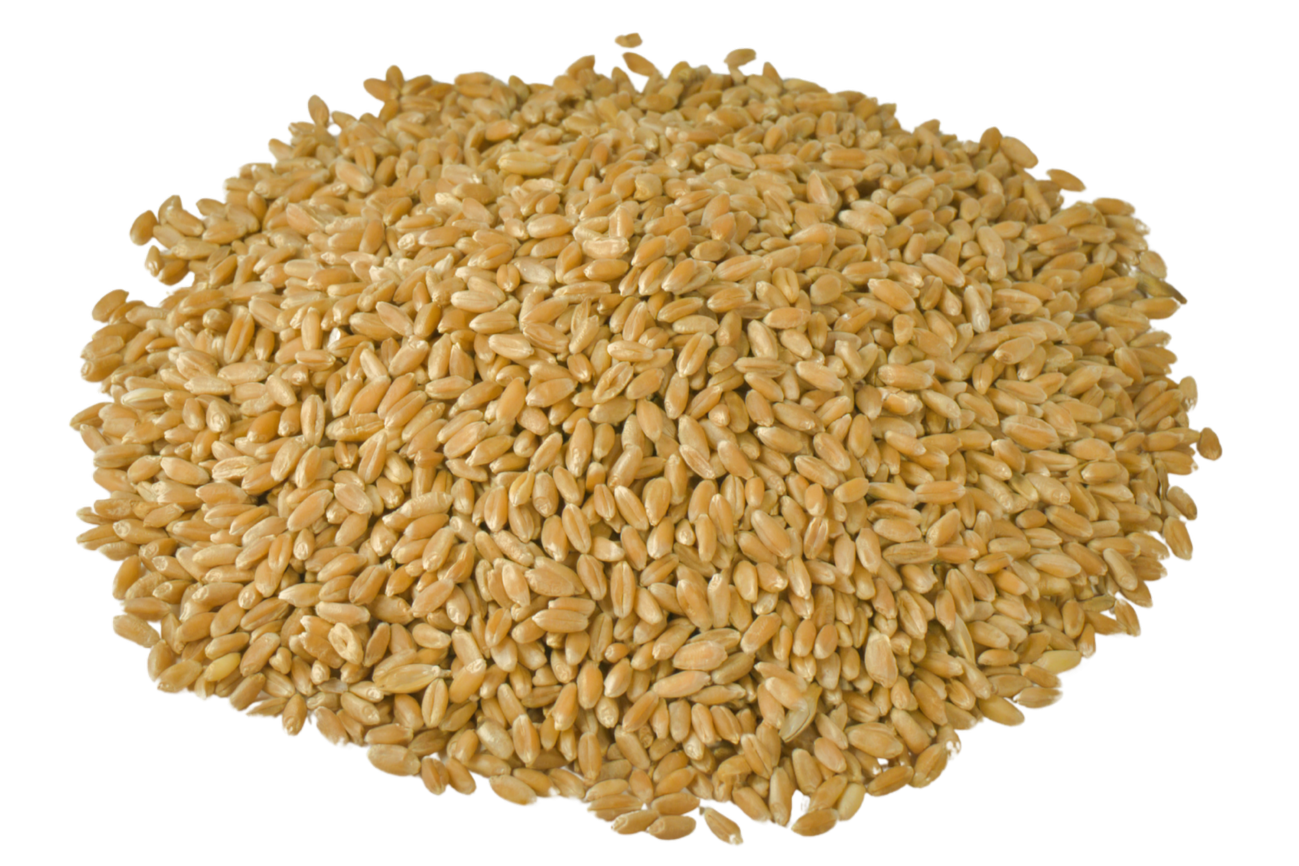
Turkey Red wheat growing at our Palouse colony farm
From Heritage to Commodity: What Changed?
While Turkey Red helped build the foundation of American bread, the modern bread industry has since moved in a very different direction.
Over the past century, wheat breeding has increasingly prioritized yield, uniformity, and industrial performance over flavor, nutrition, and resilience. Modern commodity wheat is designed to:
Maximize output per acre
Perform predictably in large-scale industrial baking
Produce consistent, highly refined white flour
At the same time, industrial milling shifted away from whole grain. Roller milling strips away the bran and germ, removing much of the grain’s natural nutrition and flavor. What remains is a shelf-stable, highly refined product that behaves consistently, but lacks the depth, character, and nutrition of the original grain.
Then, industrial baking processes further altered the equation. Faster fermentation, chemical additives, and dough conditioners replaced the slower, traditional methods that allowed wheat’s natural qualities to shine.
The result is modern bread that is:
More uniform, but less flavorful
More convenient, but less nourishing
More processed, but less connected to its agricultural roots
In many ways, the qualities that made Turkey Red so transformative in the 19th century—flavor, strength, and adaptability—have now been overshadowed by industrial priorities.
Brought by Immigrants, Rooted in the Plains

Our Scheuerman family ancestors who came to the Palouse as Volga Germans from Russia
Turkey Red’s journey to America is deeply tied to the story of German immigrants from the Volga region of Russia. In 1873, several groups of these farmers brought Turkey Red seed with them as they settled in places like Kansas, Nebraska, the Dakota Territory, and later, the Pacific Northwest.
They brought it because they knew it. They trusted it. And most importantly, it worked.
Turkey Red proved remarkably well adapted to the harsh conditions of the American Plains. It was winter hardy, drought tolerant, and disease resistant. It thrived where other wheats failed, quickly spreading across the Midwest and becoming a cornerstone of American agriculture.
In fact, the vast majority of modern bread wheats still trace their lineage back to these original Turkey Red introductions.
Our Family Connection to Turkey Red
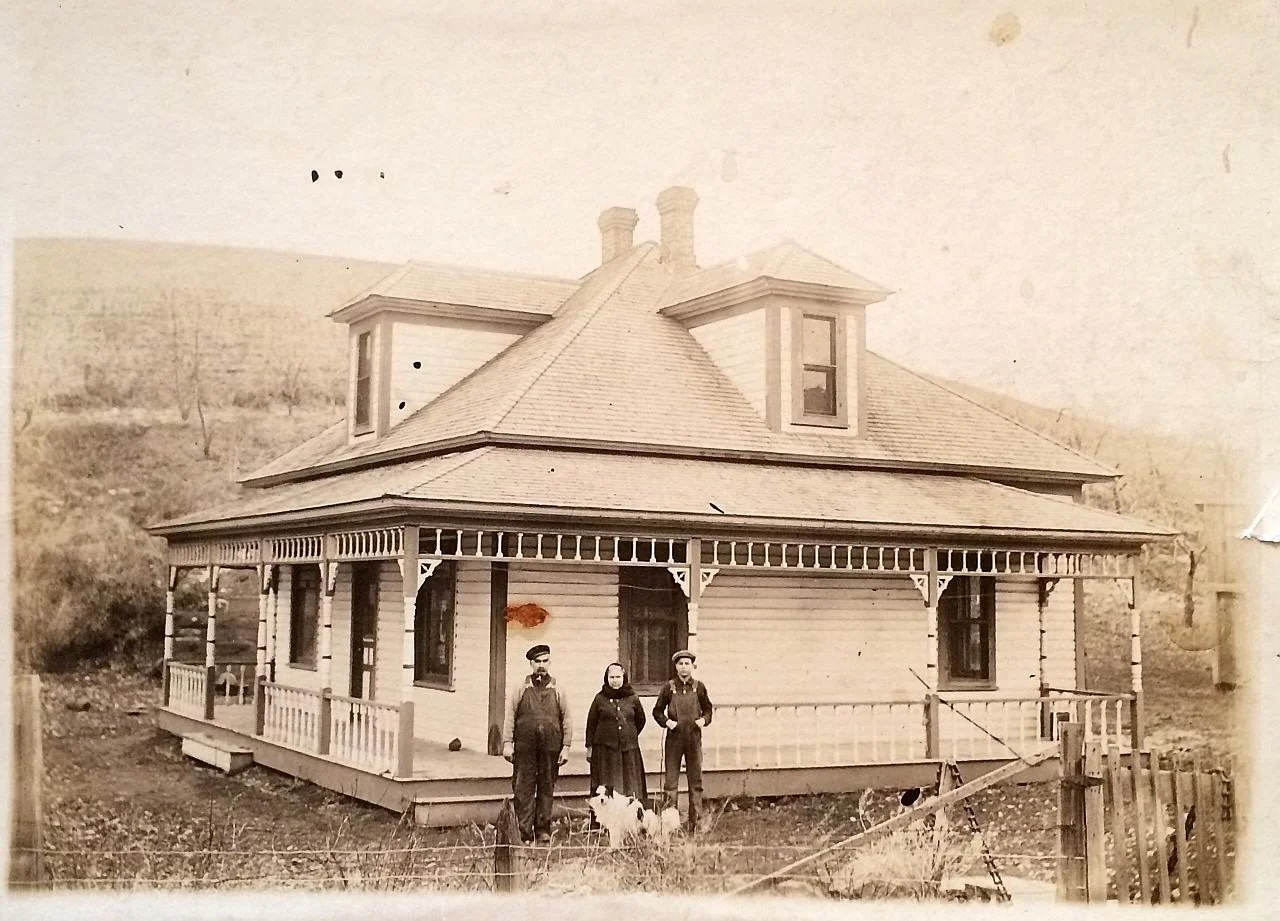
After initially settling in Kansas, our great great grandfather and his family came to the Endicott, WA in 1891 and established our farm in the Palouse, growing Turkey Red and other heritage grains.
For us at Palouse Heritage, Turkey Red is not just history. It is personal.
Our family traces its roots back to those same Volga German immigrants who brought this grain to America. That connection is one of the reasons Turkey Red was a priority when we started Palouse Heritage in 2014.
Our co-founder, Richard, recently reflected while revisiting our origin story:
“It was in May 2014 at a conference in Spokane that I connected with someone from Kansas who arranged to send us some Turkey Red. That way, we ensured it came from the original source in Kansas, where Grandpa’s family lived from 1888 to 1891 before moving out to the Palouse country in Washington State.”
This is what heritage grains are all about. Not just preserving genetics, but preserving identity, culture, and continuity.
Why Turkey Red Is Exceptional for Baking
Beyond its history, Turkey Red stands out for what matters most in the kitchen. It makes incredible food.
1. Deep, Rich Flavor
Turkey Red has a bold, complex flavor that modern commodity wheat simply does not match. It brings a warm, slightly nutty, richness to baked goods.
2. Strong Bread Performance
As a hard red winter wheat, Turkey Red has the strength needed for excellent gluten development. It performs beautifully in:
Artisan sourdough loaves
Sandwich breads
Hearth breads
Pizza dough
Soft pretzels
It provides structure without sacrificing flavor, which is often the tradeoff with modern wheat.
3. Whole Grain Excellence
When freshly milled, Turkey Red truly shines. The full grain delivers a depth of flavor and aroma that transforms even simple recipes into something memorable. Also important is its nutritional superiority over processed modern wheat flour you buy at the grocery store today.
If you have never baked with freshly milled Turkey Red flour, it is a refreshingly different experience from store-bought flour. If you’re new to baking with heritage whole grain flour, you can to explore our tips to set yourself up for success in the kitchen.
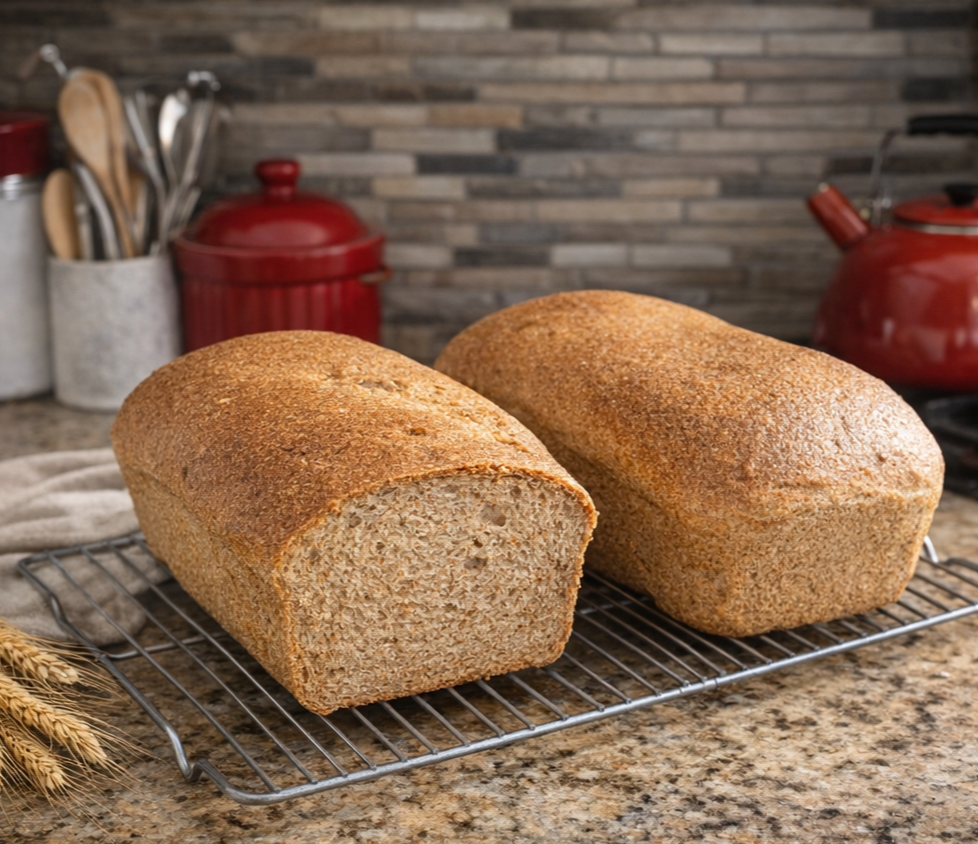
Sourdough sandwich bread made with Turkey Red
Recipes
Be sure to check out our growing list of recipes featuring Turkey Red wheat, along with all our other recipes featuring whole heritage grains.
A Grain Worth Preserving
Turkey Red is more than a wheat variety. It is a foundation of American agriculture, a bridge between continents, and a living link to the people who carried it across oceans in search of a better life.
At Palouse Heritage Mercantile, we are proud to continue that legacy. When you bake with Turkey Red, you are not just making bread. You are participating in a story that spans generations.
You can buy Turkey Red grain for home milling here. Or if you prefer to have someone else mill it for you, flour is available through our partner mill here. For further details on its origin and properties, check out our page dedicated to this amazing grain.
References
Scheuerman family accounts of Turkey Red wheat
Goessel Museum, “Story of Turkey Hard Red Winter Wheat in KS.” (Goessel Museum) mennheritandagmuseum
FarmProgress, “Turkey Red: The wheat that built Kansas.” Farm Progress
“Turkey Red revolutionized wheat industry,” High Plains Journal. High Plains Journal
Slow Food / Ark of Taste, “Turkey Hard Red Winter Wheat.” Fondazione Slow Food
Kansas Wheat – “A Love Letter to Turkey Red.” Kansas Wheat
