
Home Grain Mill Performance & Flour Extraction: A Practical Comparison for Home Bakers
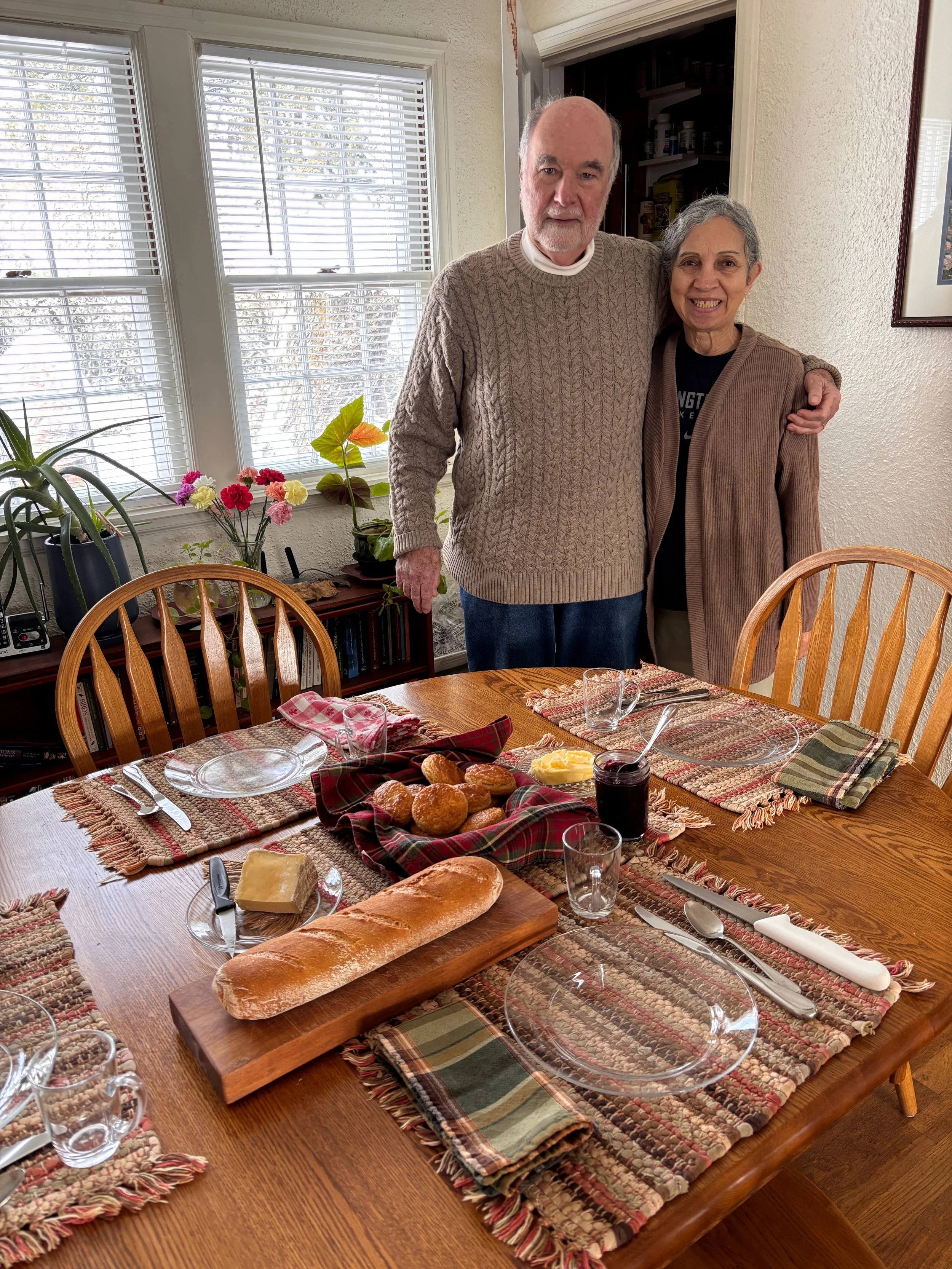
Our friend Rob and his wife Bete enjoying a snack of delicious bread and rolls made with Palouse Heritage White Sonora Wheat. Rob is the brains behind the testing shared in this blog. Thanks Rob!
One of the questions we hear often at Palouse Heritage is:“Which home grain mill produces the best flour?”
The honest answer is that there is no single perfect mill for every baker. Different mills have different strengths depending on what kind of flour you want to make, how much flour you mill, how finely you want to sift, and how important convenience, speed, texture, and cleanup are to your workflow.
Recently, a friend of Palouse Heritage (Rob from Pullman, WA), conducted a detailed comparison of some popular home grain mills using heritage wheats similar to those many of our customers mill every day. He is a trained chemist and experienced home baker who has spent considerable time researching home milling performance. The goal was not simply to ask, “Which mill is best?” but rather:
How fine is the flour produced?
How much flour remains after sifting?
How do different milling technologies affect flour texture?
Which mills are best suited for producing lighter sifted flour at home?
The results were fascinating and highly practical for home bakers.
If you haven’t yet checked out our Home Grain Mills Guide, we suggest you read that first to understand the range of mill options available on the market today before diving into the details of this blog post, where we put some of those mills to the test.
Why Home-Milled Flour Is Better
Before we get to the test results, it’s important to note how modern bakers are rediscovering is that freshly milled flour is an entirely different ingredient than most store-bought flour, and far superior in many ways. Be sure to check out our blog post on all the key benefits to milling your own fresh flour. For many families, home milling becomes less about “DIY flour” and more about reclaiming a deeper connection to real food.
Understanding Flour Extraction
To help understand the results of the testing, you should understand one important concept:
What is “Extraction Rate”?
Extraction rate simply refers to how much of the original grain remains in the finished flour after sifting.
For example:
100% extraction = whole grain flour (nothing removed)
90% extraction = lightly sifted flour
80% extraction = more refined flour with additional bran removed
Higher extraction flour (low refined):
Contains more bran and germ
Has stronger whole grain flavor
Retains more nutrition
Produces heartier breads
Lower extraction flour (highly refined flour):
Is lighter in color and texture
Produces softer doughs
Behaves more like commercial white flour
Many home bakers today enjoy finding a middle ground: flour that retains much of the nutrition and flavor of whole grain while still achieving a lighter texture and more open crumb.
The Mills Tested
The comparison included three popular home milling setups:
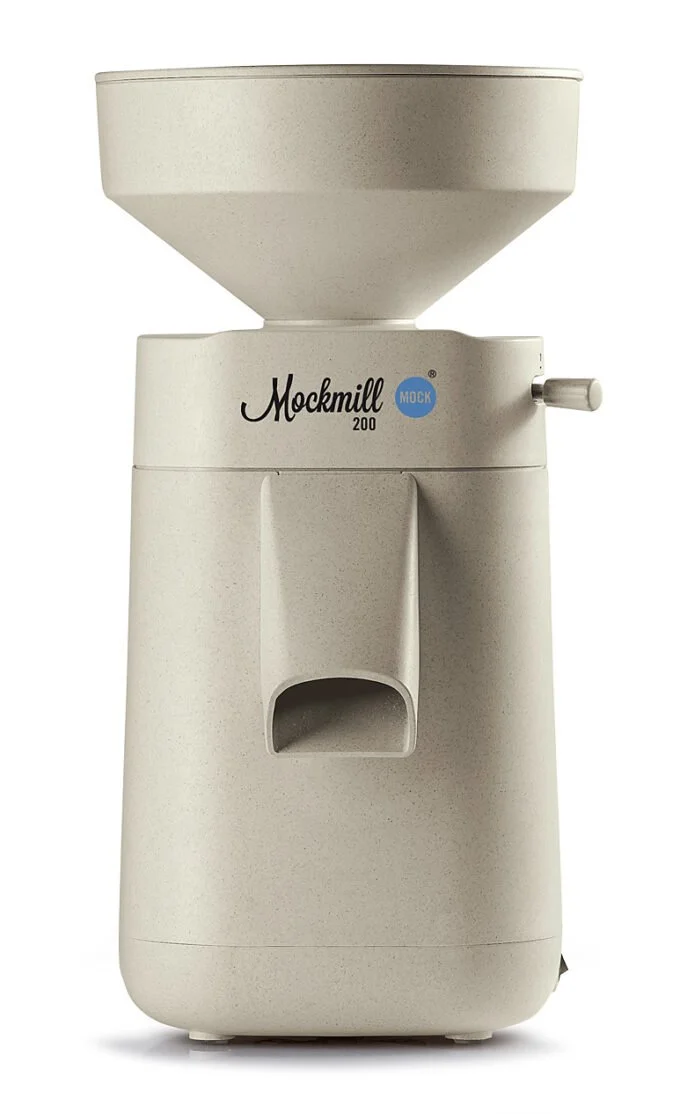
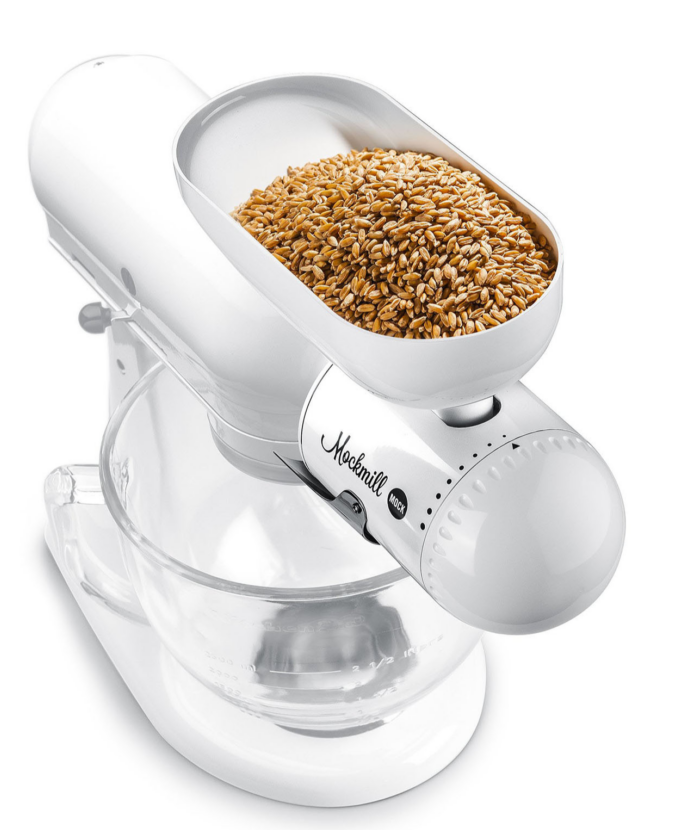
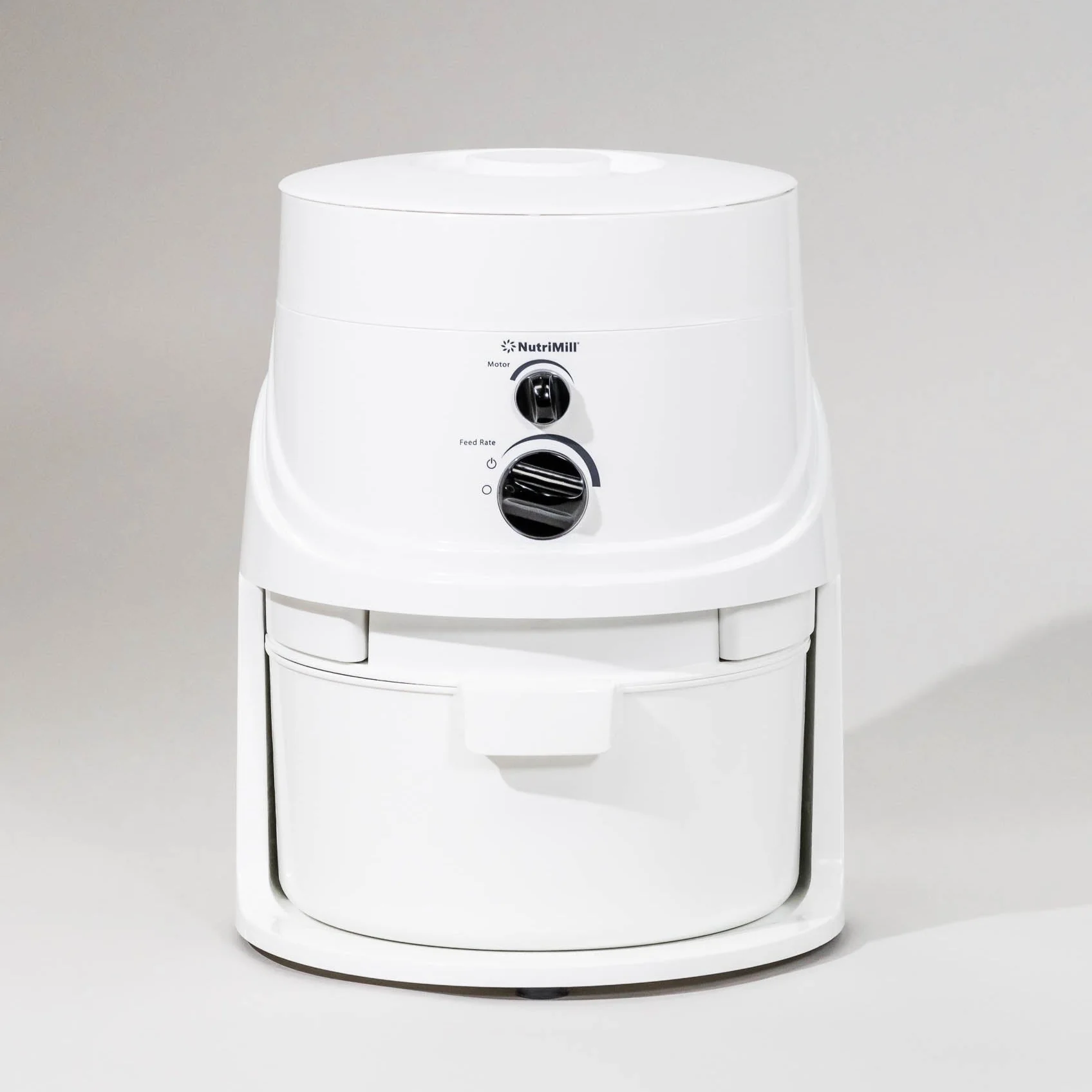
The tests used mixtures of soft white wheat and hard white wheat, including heritage-style wheats like White Sonora and Amber Eden®.
The flour was then sifted through:
40-mesh sieves (coarser sifting)
60-mesh sieves (finer sifting)
Key Findings
1. All Three Mills Performed Well
Perhaps the biggest takeaway is this: Modern home grain mills are remarkably capable. All three mills produced excellent flour suitable for home baking. Even relatively simple home sifting methods produced impressive results.
For bakers considering their first mill, this is encouraging news. You do not necessarily need commercial equipment to produce beautiful flour at home.
2. The Mockmill 200 Produced the Finest Flour Overall
Among the mills tested, the Mockmill Mockmill 200 consistently produced the finest flour. Why does this matter?
Because finer flour passes more easily through finer mesh sieves, allowing bakers to create lighter flour while still maintaining relatively high extraction rates.
In practical terms:
More usable flour passed through the 60-mesh sieve
Less coarse material remained behind
The flour texture was especially refined for home-milled flour
For bakers pursuing lighter artisan breads, pastries, pizza dough, or sifted heritage flour, the Mockmill 200 performed exceptionally well.
3. The Mockmill KitchenAid Attachment Was Slower but Surprisingly Practical
The Mockmill Mockmill KitchenAid attachment produced slightly coarser flour than the larger standalone mills and required more time to mill grain. However, the analysis highlighted several practical advantages that many home bakers will appreciate:
Flour drops directly into the mixing bowl
Minimal cleanup
Very low dust
Compact storage
Quiet and convenient operation
In other words, while it may not be the top performer in absolute fineness, it may still be one of the most user-friendly options for many kitchens. And in real life, convenience matters. A mill that gets used regularly is often better than a “perfect” mill that stays in the cupboard.
4. The Nutrimill Classic Was Fast & Powerful
The Nutrimill Nutrimill Classic also performed very well. It produced flour with overall fineness comparable to the Mockmill 200, though the particle distribution differed somewhat because of the impact milling system.
One interesting observation was that the bran particles from the Nutrimill were more compact and “pebbly,” while the stone mills produced more flaky bran.
This difference in texture may influence:
Dough hydration
Fermentation behavior
Mouthfeel in finished bread
The Nutrimill was also notably fast and efficient. For home bakers milling relatively larger quantities regularly, or needing to save time while managing a busy household, speed can become a significant advantage.
Full Results
| Mill | 40-Mesh Extraction | 60-Mesh Extraction | General Observations |
|---|---|---|---|
| Mockmill 200 | 93% | 82% | Finest flour overall; excellent for lighter sifted flour |
| Mockmill KitchenAid Attachment | 89% | 79% | Slightly coarser flour but highly convenient and clean |
| Nutrimill Classic | 94% | 80% | Fast, efficient, and very capable impact mill |
One of the Most Interesting Discoveries
One particularly encouraging finding was how effective simple home sifting can be. Even after sifting through a 40-mesh sieve, many tests still retained roughly:
89–94% extraction
That means bakers can remove much of the larger bran while still preserving most of the flour yield and nutrition.
For many home bakers, this represents a sweet spot:
lighter texture
better dough extensibility
softer crumb
while still retaining much of the flavor and nutrition of whole grain flour
Practical Recommendations for Home Bakers
Use Whole Grain Flour When:
You want maximum nutrition
You enjoy hearty rustic breads
You are making porridge breads, crackers, muffins, or pancakes
Use 40-Mesh Sifting When:
You want lighter sandwich bread
You want softer pizza dough
You are transitioning family members toward whole grain baking
Use 60-Mesh Sifting When:
You want pastry-style flour
You are pursuing more open artisan loaves
You want a lighter crumb while retaining heritage grain flavor
Why Heritage Grains Excel in Home Milling
We have also consistently found that heritage grains tend to perform exceptionally well in home milling and natural baking environments. Modern commodity wheats were largely bred for:
industrial roller milling
long-distance shipping
uniformity
high-input commercial agriculture
Heritage grains, on the other hand, were historically selected in a world where flour was often freshly milled locally and bread was naturally fermented. Many bakers find that heritage wheats offer:
richer and more complex flavor
better aroma
more workable dough characteristics
gentler gluten structure
greater adaptability in long fermentation baking
They also tend to produce beautiful sifted flour for artisan baking while still retaining strong whole grain character. This is one reason many home millers eventually discover that heritage wheats and fresh milling naturally belong together.
Final Thoughts
One of the beautiful things about home milling is that it reconnects baking to grain itself. Commercial flour is highly standardized. Home milling is more alive.
Different wheats behave differently. Different mills produce different textures. Different sift levels create entirely different baking experiences. That variability is not a flaw. It is part of the craft.
We are grateful to friends of Palouse Heritage who continue exploring these questions so thoughtfully and helping expand the knowledge base around heritage grain baking and home milling. The more we learn, the more we are reminded that flour is not just an ingredient. It is an agricultural product with texture, history, personality, and flavor. And that journey from field to flour is part of what makes baking with heritage grain so rewarding. 🌾
