
Reflections From the Modern Homesteading Conference
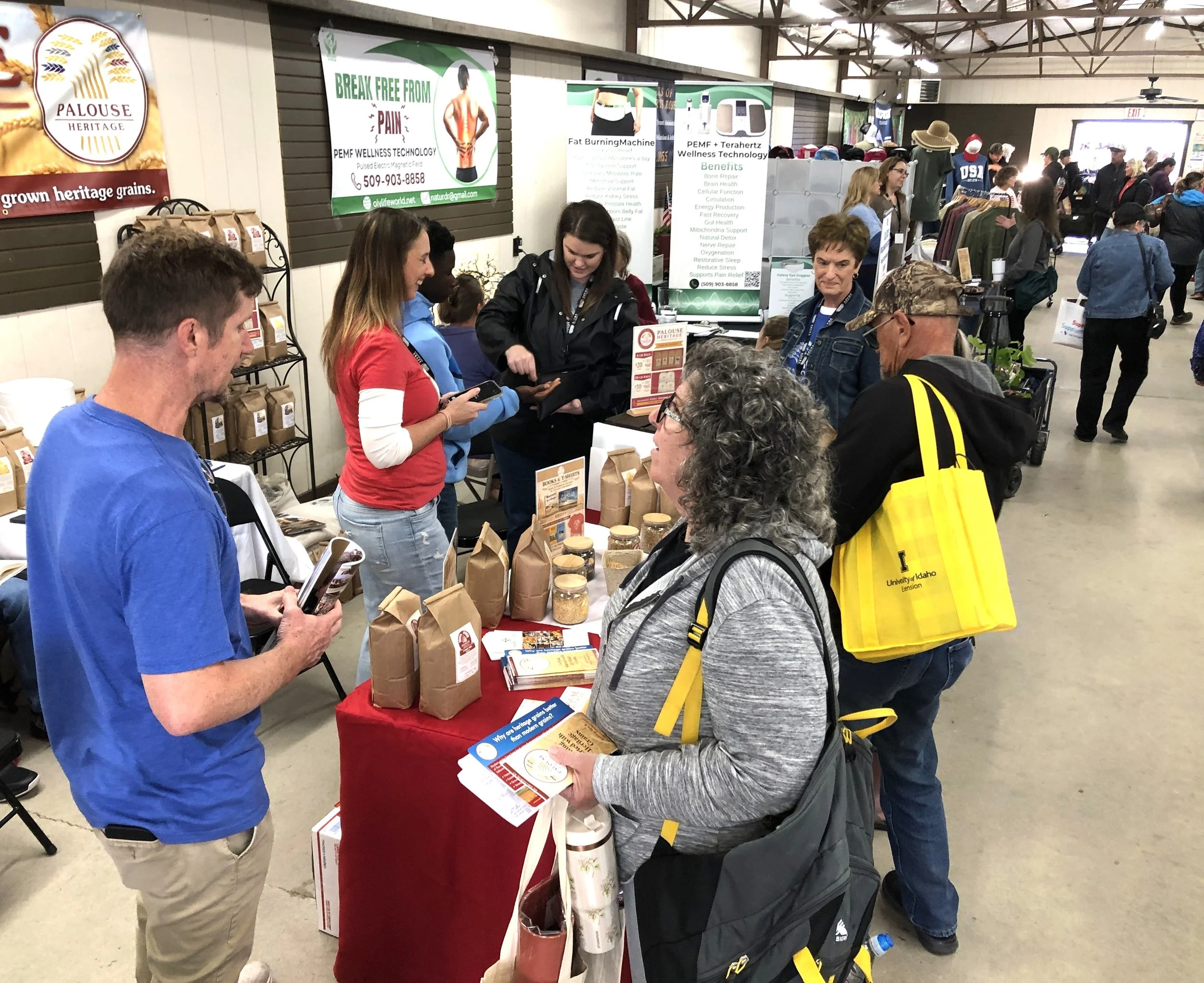
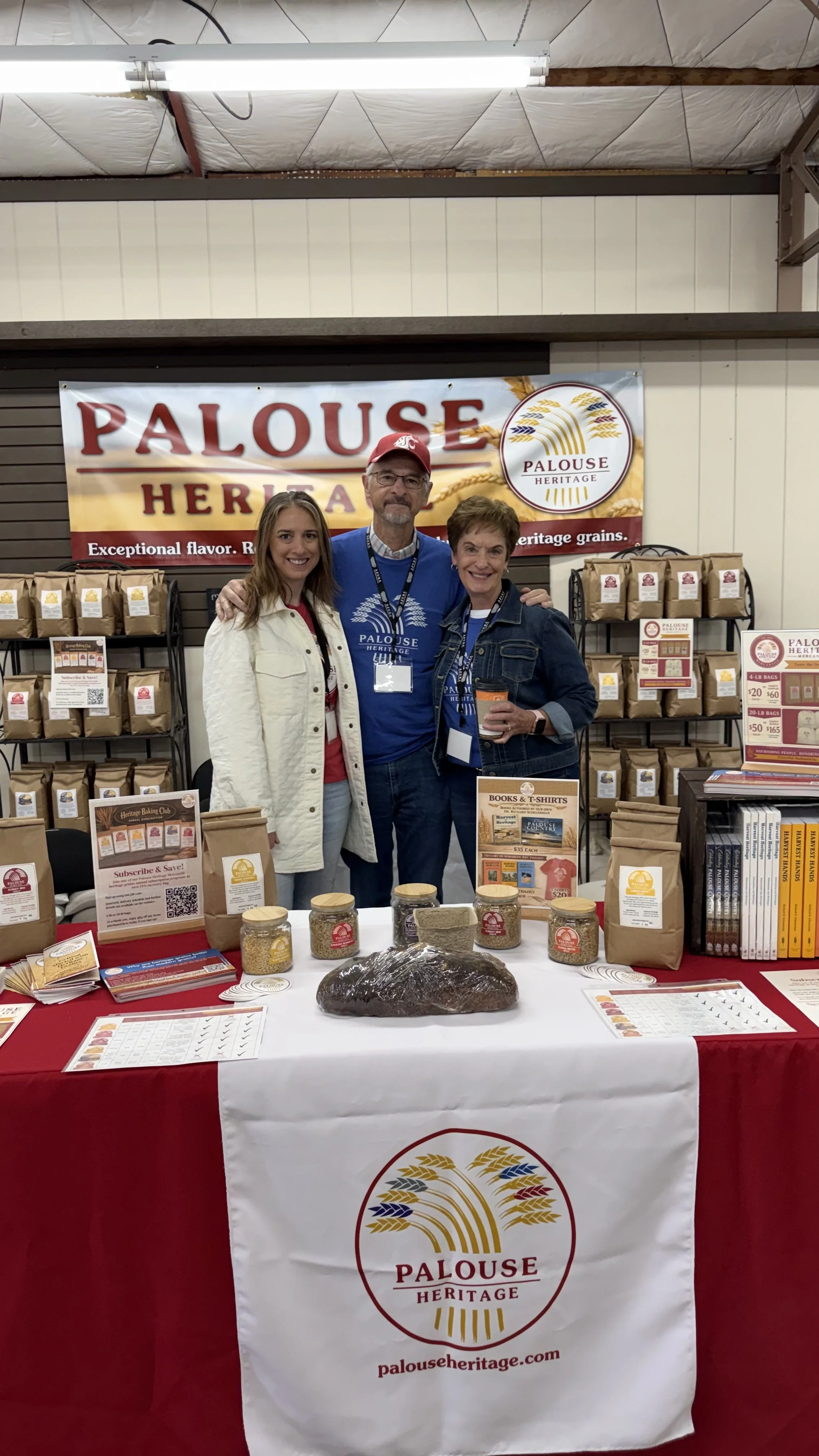
Our Palouse Heritage family of three generations joined a summertime crowd of several thousand for the 4th Annual Modern Homesteading Conference at the Kootenai County Fairgrounds in Coeur d’Alene, Idaho a few weeks ago. We knew modern homesteading to be a national phenomenon but were surprised to meet so many folks who were attending from faraway places like North Dakota, Pennsylvania, Michigan, Georgia, Texas, Utah, California, and elsewhere. The homesteading experience is a family affair with young and old alike exploring ways of healthy living ranging from candle-making and cream separating to solar power and suburban chicken raising. Of special interest to us and others were the many vendors and presentations devoted to healthy diets and home-milling with lots of activity surrounding our friends at the NutriMill and Grainmaker booths.
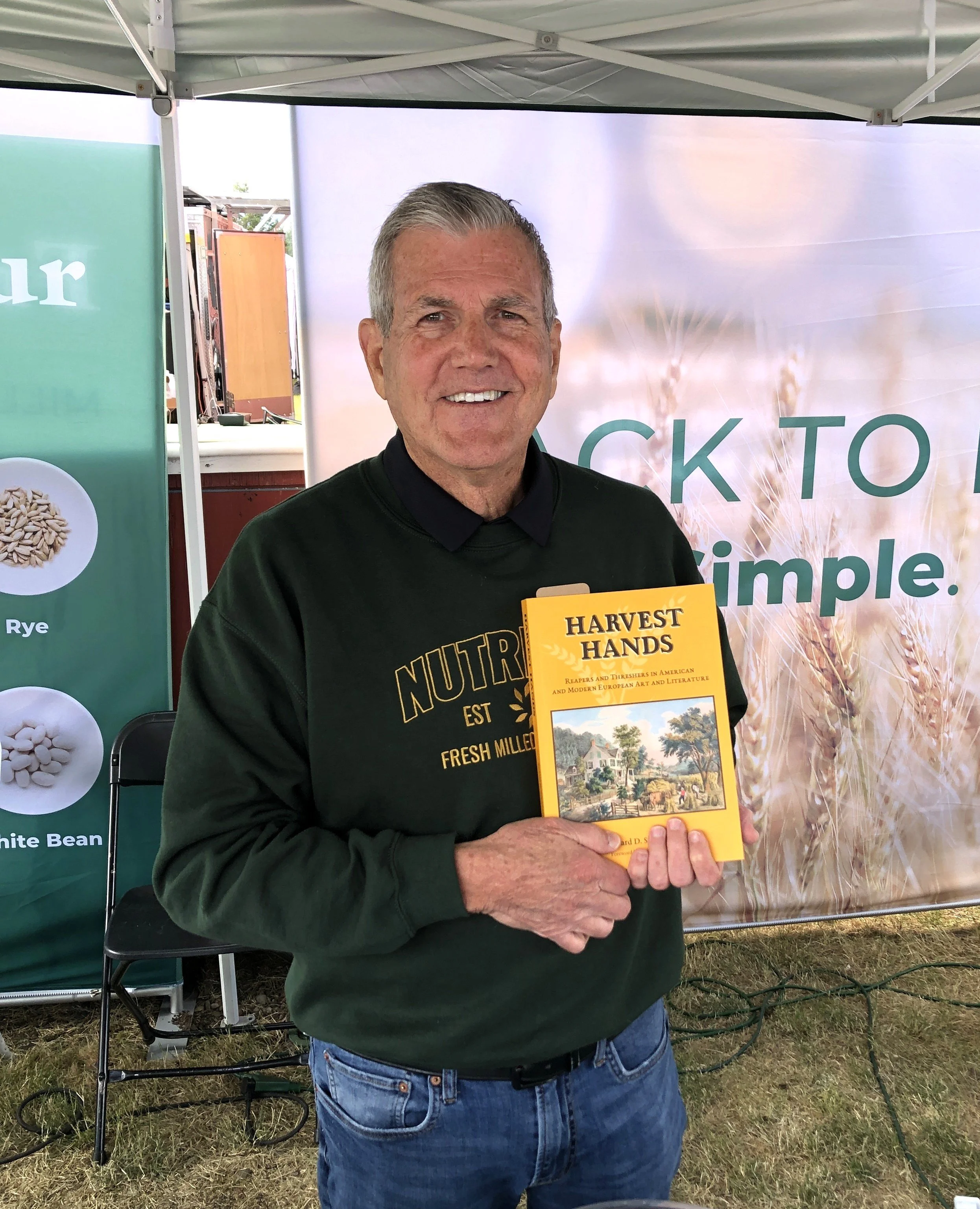
Gary Leavitt of Nutrimill
Notable presenters at the gathering included Virginia homesteading guru Joel Sadadin (“Faith, Stewardship, and the Call to Cultivate”), Azure Standard’s David Stelzer from Oregon (“Rooted Wellness: How Healthy Soil Grows a Healthy You”), and homemaker-herbalist Kaylee Richardson, author of The Beekeeper’s Apothecary. We also enjoyed visiting the dozens of vendor booth and demonstrations to sample fine cheeses and meats along with jams and jellies while watching an array of talented crafters like leathermakers, woodworkers, blacksmiths, and sheep-shearers! But especially rewarding for us were the folks visiting our display who have been using our grains of “flavorful authenticity” for home-milling.
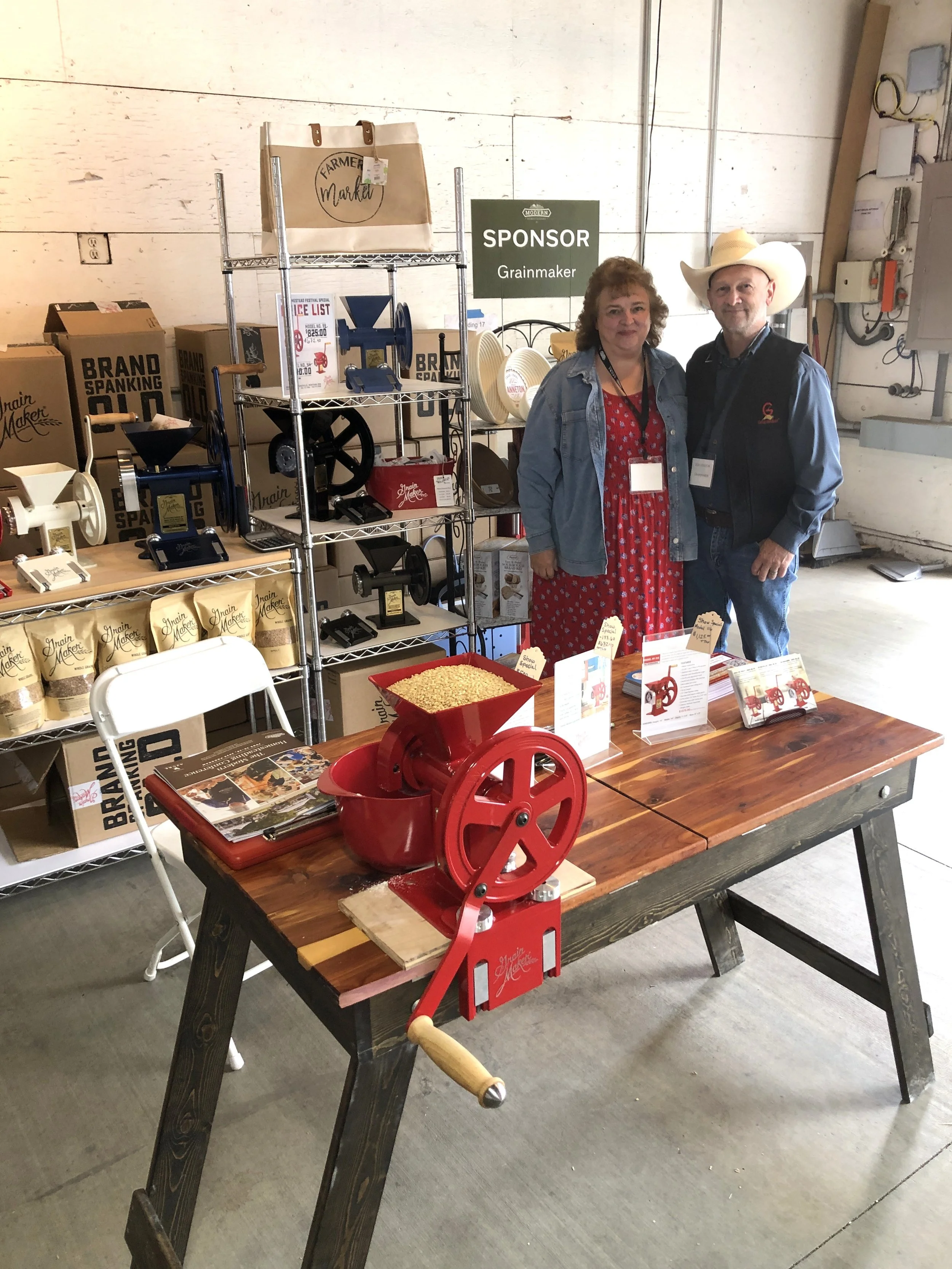
Bonnie and Randy Jones of Grainmaker
We found other health-conscious vendors from organizations like Weston Price Foundation and knowledgeable home-milling businesses NutriMill and Grainmaker. These all provided helpful information on whole grain nutrition and reminded me that I had been in touch a few years ago with the good folks at Weston Price for an article about the health benefits of heritage wheats like our Palouse Heritage Turkey Red and White Sonora and Purple Egyptian barley. Turkey Red revolutionized American culinary experience after this hearty grain was introduced to America from southeastern Europe in the 1870s, White Sonora, a soft white variety good for muffins, biscuits, and pancakes, came with Spanish missionaries and settlers in the 17th century, and hulless Purple Egyptian has been imparting a naturally sweet, nutty taste to flatbreads since ancient times.
Weston A. Price (1870-1948) was a Canadian nutritionist and dentist known for his studies on the relationship between food, good teeth, and overall health. Among his special concerns were over consumption of fatty acids, sugar, and salt in modern diets. The motto of the non-profit foundation (westonaprice.org) named in his honor is, “Wise traditions in food, farming, and the healing arts,” and it publishes a popular journal (Wise Traditions) and hosts numerous regional conferences through local chapters. I found the organization’s booklet, Timeless Principles of Healthy Traditional Diets, to be a helpful summary of WAP principles. One section contains a chart that contrasts “Traditional Diets/Maximized Nutrients” with “Modern Diets/Minimized Nutrients,” and includes the following differences: Foods from fertile soil vs. foods from depleted soils; natural animal fats vs. processed vegetable oils; animals on pasture vs. animals in confinement; lacto-fermented beverages vs. modern soft drinks; traditional, open pollination seeds vs. hybrid and GMO seeds.
Our friends at NutriMill distributed copies of the colorful booklet, The Whole Story—How Whole Grains Can Transform Your Health. Since there are so many efforts to muddy the waters of nutritional understanding, product labeling (or lack thereof), and farming practices, this publication opens with a page that makes clear an important distinction as well as the opportunity for all to enjoy a healthier life:
You’ve heard eating whole grains improves health. But before you dive right in—make sure you understand what ‘whole grain’ actually means. The Whole Grains Council requires qualifying foods to contain 100% of the original kernel (including the bran, germ, and endosperm). WHOLE GRAINS… help prevent cancers, diabetes, heart disease & stroke; boost metabolism, satisfy hunger & prevent cravings; regulate blood sugar & sustain energy; improve digestion & aid in the elimination process; contain abundant antioxidants; and have an extremely long shelf life.
THE GREAT GRAIN ROBBERY—Common [white] flour processing extracts… 80-90% of the useful vitamins and minerals found in whole grains. In its natural form, a kernel of whole grain is the “staff of life.”
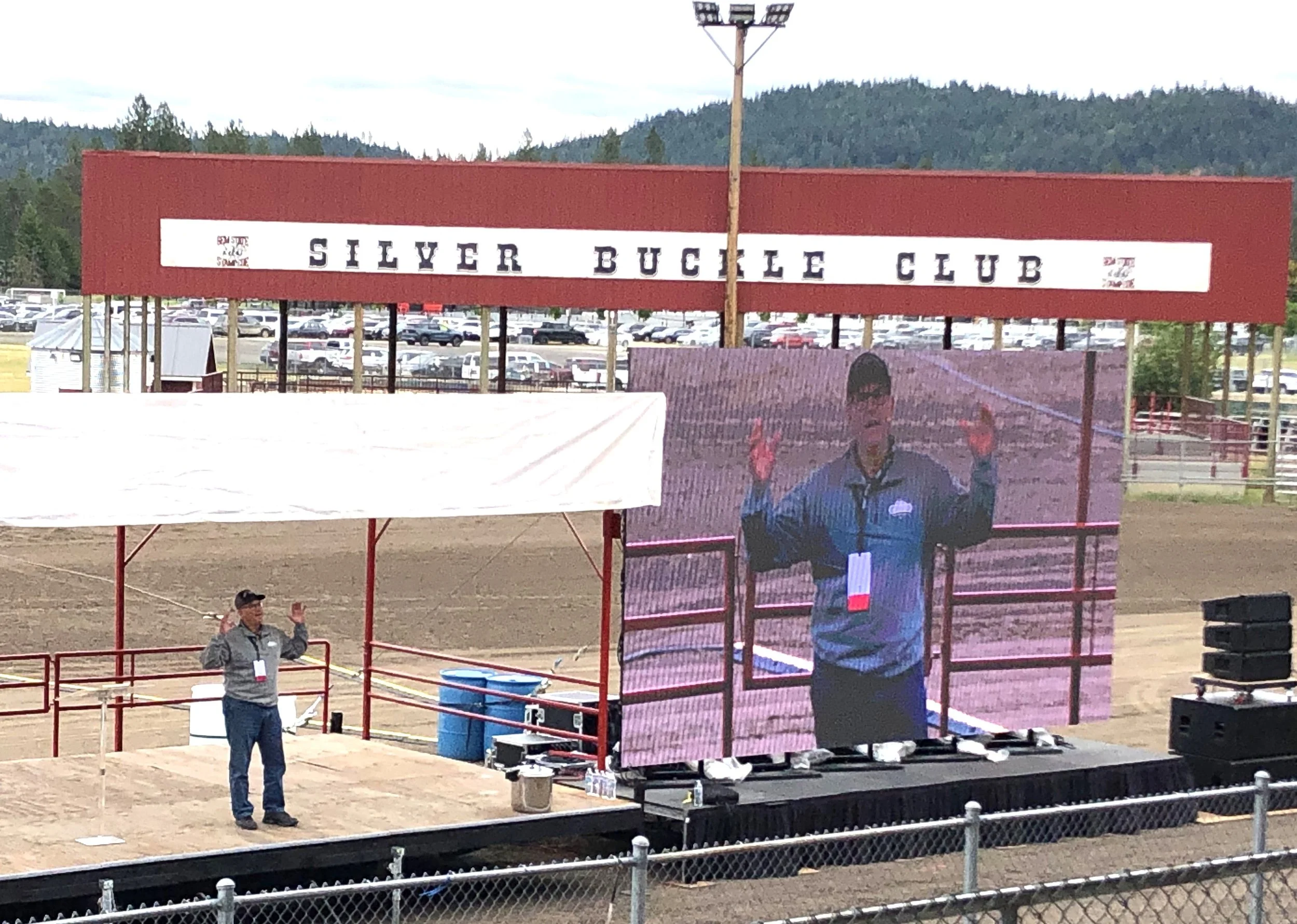
One of the conference headliners was Joel Salatin of Polyface Farm in Virginia. Joel has long been a familiar voice to folks throughout the country who share concerns about the detrimental effects of highly processed foods on human health and farming practices that have contributed to the widespread and alarming decline in soil fertility. Using his trademark style of periodic reference to windswept yellow-pad notes, he explored these ideas in a presentation titled “Faith, Stewardship, and the Call to Cultivate” that is summarized below:
1. Hydrate the landscape. When America was first explored by Lewis and Clark and others, it was land of lakes, rivers, and streams. Those features were kept vital and clean by beavers and their dams! We tore all that up and it has led to both massive erosion and drought [numerous statistics cited]. The rule for restoration regarding our precious water resources ought to be “slow it, spread it, soak.” Effective use of water stimulates diversity of life.
2. Increase organic matter. We live in a day when farmers can’t survive without getting urea from Russia, ammonia from Canada, and potash from Morocco! The solution is to regenerate the land by using the abundant nitrogen from the air and microbes in the ground through organic systems of land use. It is outrageous that 75% of all we put in landfills is compostable, but in our culture it all goes to waste and we must pay to have it disposed.
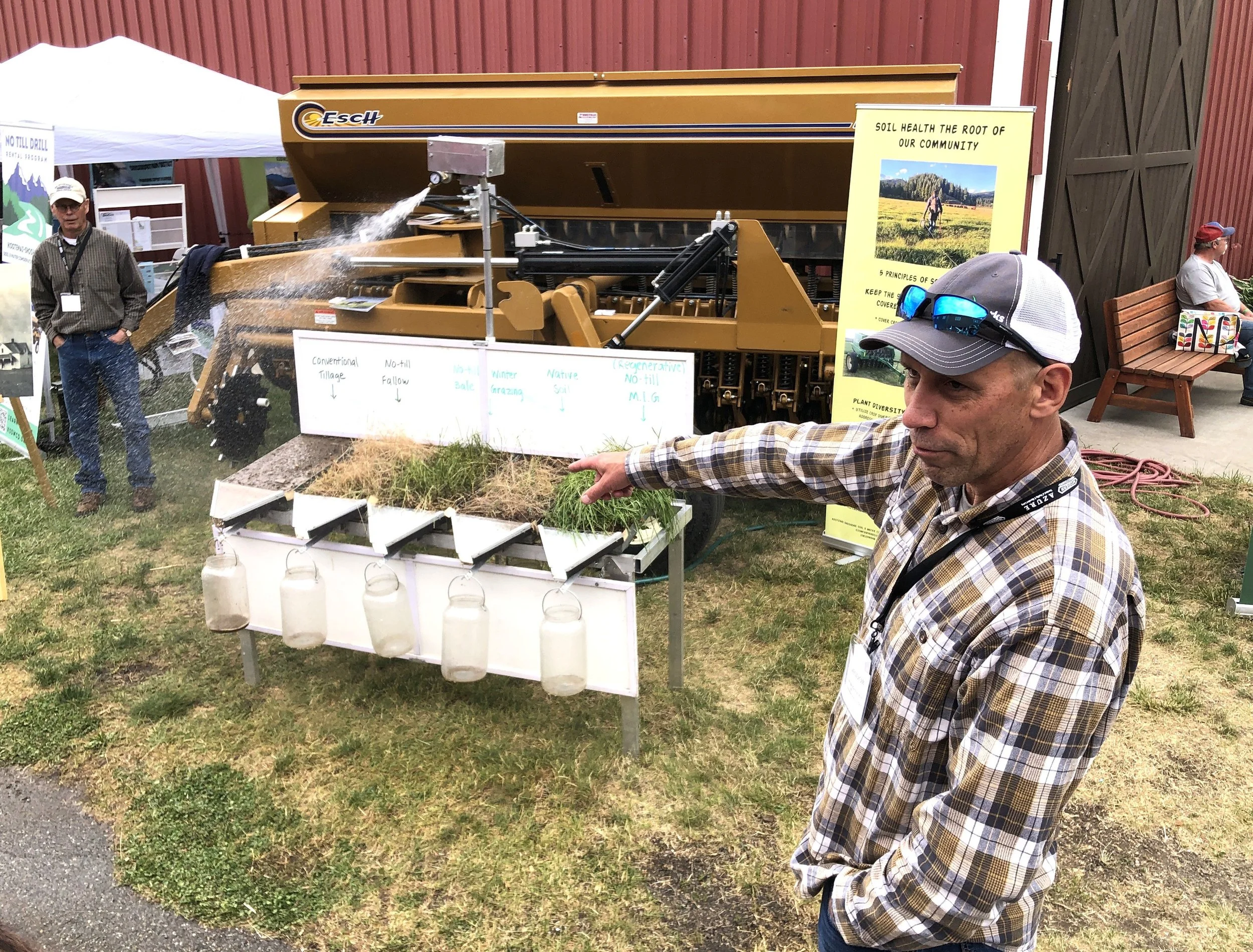
Kootenai County No-Till Farming Presentation
3. Reduce tillage. U.S. agriculture policy has long been based on the extractive annual cropping. The main subsidized crops in America (corn, soybeans, wheat, cotton, rice) are all annuals and none are nitrogen fixing. Instead we should be promoting use of perennial crops and proper rotations that restore the fertility of the land.
4. Respect and honor livestock. Animals are gifts from God and should be honored as such. They need to be moved, rotated, and given sanitary living conditions. Animals like people need rest and sunshine. In ancient times they were key biological means for distributing fertility from the “low places” where water and gravity takes elements to the “high places” where their remains and deposits contributed to the vitality of landscapes.
In these and other ways the basic principle of “redemptive flourishing” endures as we work to make “redemptive investments” as stewards rather than exploiters of this beautiful land.
Events like the homesteading conference invariably seem to bring enriching new friendships and ideas. One special highlight at Coeur d’Alene was meeting Jean Cooksey, proprietor of Jean’s on Third Thrift Store in the scenic Okanogan Valley community of Tonasket. Jean was celebrating her 92nd birthday at the conference (!) but didn’t let festivities or age keep her from manning the substantial display of used wares. In honor of her special day, Jean was offering half-price deals on a substantial vendor inventory that included antique kitchen utensils, toys, and a variety of other interesting items. My eyes fell on a pile of back issues of one of my favorite magazines—the Small Farmer’s Journal published since the 1970s by farmer-poet-blacksmith-philosopher Lynn Miller of Sisters, Oregon. I snatched up a load of thick SFJ issues from yesteryear and included a birthday bag of Palouse Heritage grain with payment to Jean.
Our conversation led to my meeting Jean’s daughter, Susan Cooksey, who several years ago founded the Okanogan Valley’s Eastern Washington Homesteading Expo. We discovered mutual interest in heritage grains and she invited us to present at next year’s EWHE scheduled for April 23-24, 2027 at the Okanogan County Fairgrounds in the north central Washington city of Okanogan. The array of past session topics there have included fruit preservation, poultry raising, bee keeping, solar installation, candle making, and more so if interested by all means mark your calendar. We tentatively hope to be there. For further information see ewhomesteadingexpo.com.
Whether you joined us at the Modern Homesteading Conference or followed along from afar, you can bring heritage grains into your own kitchen. If you didn’t get a chance to take any home, or couldn’t attend, we’ve stocked our online shop with the same thoughtfully grown grains we shared at the event.
Explore the harvest and keep the inspiration going!
— Dr. Richard Scheuerman, co-founder of Palouse Heritage
