
Discover more of the rich agricultural history of where we raise our grain, and the generations of farmers who have helped make the Palouse region one of America's premier grain-growing landscapes.
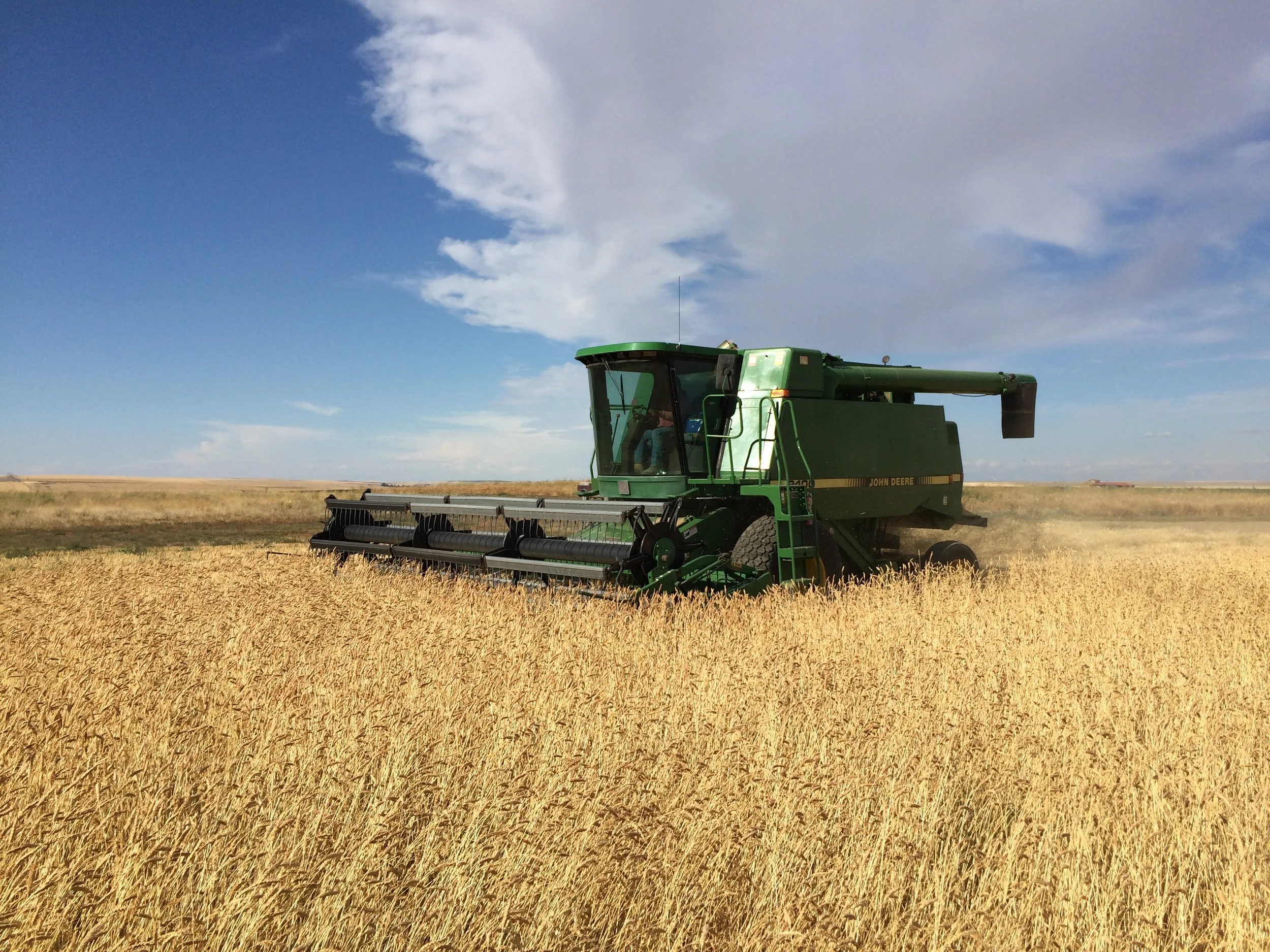
Palouse Heritage White Sonora wheat harvest at Palouse Junction
For generations, the rolling hills and fertile soils of southeastern Washington have produced some of the finest wheat in the world. The Palouse region is renowned for its exceptional grain-growing conditions, a combination of rich soils, favorable climate, and generations of farming knowledge. For home millers, artisan bakers, and anyone passionate about great bread, this is a landscape worth knowing.
At Palouse Heritage Mercantile, we're proud to carry forward this agricultural legacy by growing and preserving heritage grain varieties that connect today's bakers with the wheat of generations past.
One of the places where that story continues is near Connell, Washington, a farming community with deep historical ties to the Palouse.
Growing Heritage Grains in Connell
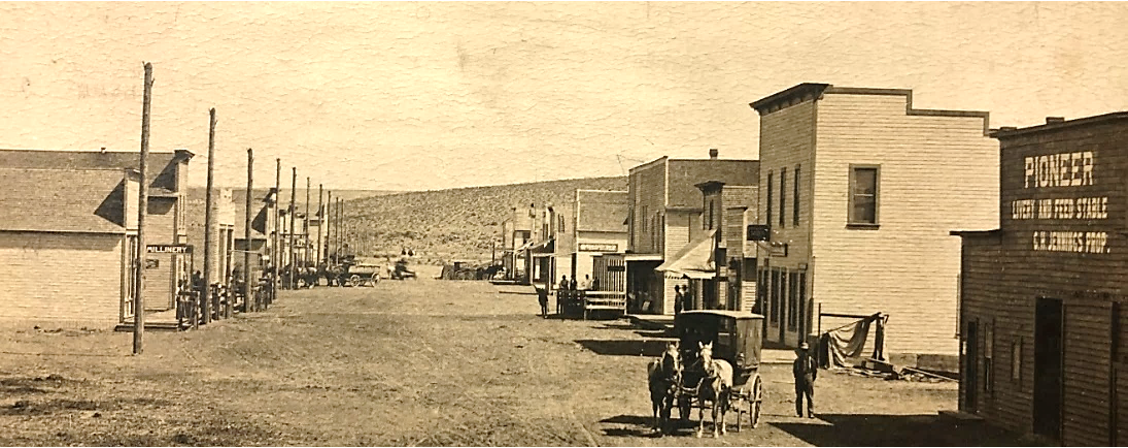
Connell, c. 1910
For several years, Palouse Heritage has partnered with landowner and farmer Brad Bailie to grow healthy, organically raised heritage grains near Connell, in addition to the grains we cultivate on our own farm near Endicott, Washington.
The Bailie family's agricultural roots stretch back more than a century, when their ancestors journeyed from Missouri to seek new opportunities in the Pacific Northwest. Today, Brad's farm produces an array of certified organic crops, including grains, potatoes, onions, squash, and other vegetables.
Grain plays an important role in the farm's multi-year crop rotation, helping support soil health and sustainable agricultural practices. It's a fitting partnership for Palouse Heritage, where we believe that exceptional grain begins with healthy soil, thoughtful farming, and a commitment to preserving the remarkable diversity of heritage varieties.
Palouse Junction: A Community Built on Wheat
Long before it became known as Connell, this small agricultural community was called Palouse Junction, a name reflecting its important connection to the wheat-growing country of southeastern Washington.
The town emerged in 1881 with construction of the Northern Pacific Railroad's transcontinental line. Its location made it a vital junction for transporting grain from the surrounding agricultural region to markets farther west and beyond. In those early days, settlers faced formidable challenges. Water sometimes had to be hauled eight miles, rainfall was unpredictable, and farming required extraordinary perseverance. Yet wheat production steadily shaped the region's identity, with grain warehouses lining the railroad and a thriving agricultural community taking root.
The arrival of irrigation through the Columbia Basin Project in the 1950s transformed the surrounding countryside. Lands once dominated by sagebrush and dryland farming became productive fields supporting a remarkable diversity of crops. Today, the agricultural abundance surrounding Connell is a testament to generations of farmers who worked to make this landscape productive.
A Wheat-Growing Legacy Worth Preserving
Connell's grain-growing heritage even found its way into American literature. Much of Zane Grey's bestselling 1919 novel, The Desert of Wheat, unfolds on a fictional wheat ranch believed by local tradition to have been inspired, in part, by the R. F. Anderson farm, located about nine miles south of Connell. In 1917, Anderson's farm was producing abundant crops of Turkey Red and Pacific Bluestem (a.ka. Yamas Blue) wheat, two historic varieties with deep roots in the Pacific Northwest.
For us, this history is especially meaningful. Turkey Red and Pacific Bluestem are among the heritage wheat varieties we have worked to preserve and grow at Palouse Heritage. Imagine the harvests of more than a century ago: teams of horses pulling combines across vast golden fields, grain being gathered into sacks, and wheat making its way by rail to mills and bakeries across the country. A 1917 edition of the Connell Tribune-Register described the approaching harvest, noting that despite the challenges of hot, dry weather, early-maturing wheat fields were in splendid condition and promised a good yield.
The farming methods have changed dramatically since those days, but the fundamental qualities that make this region so well suited to growing wheat remain.
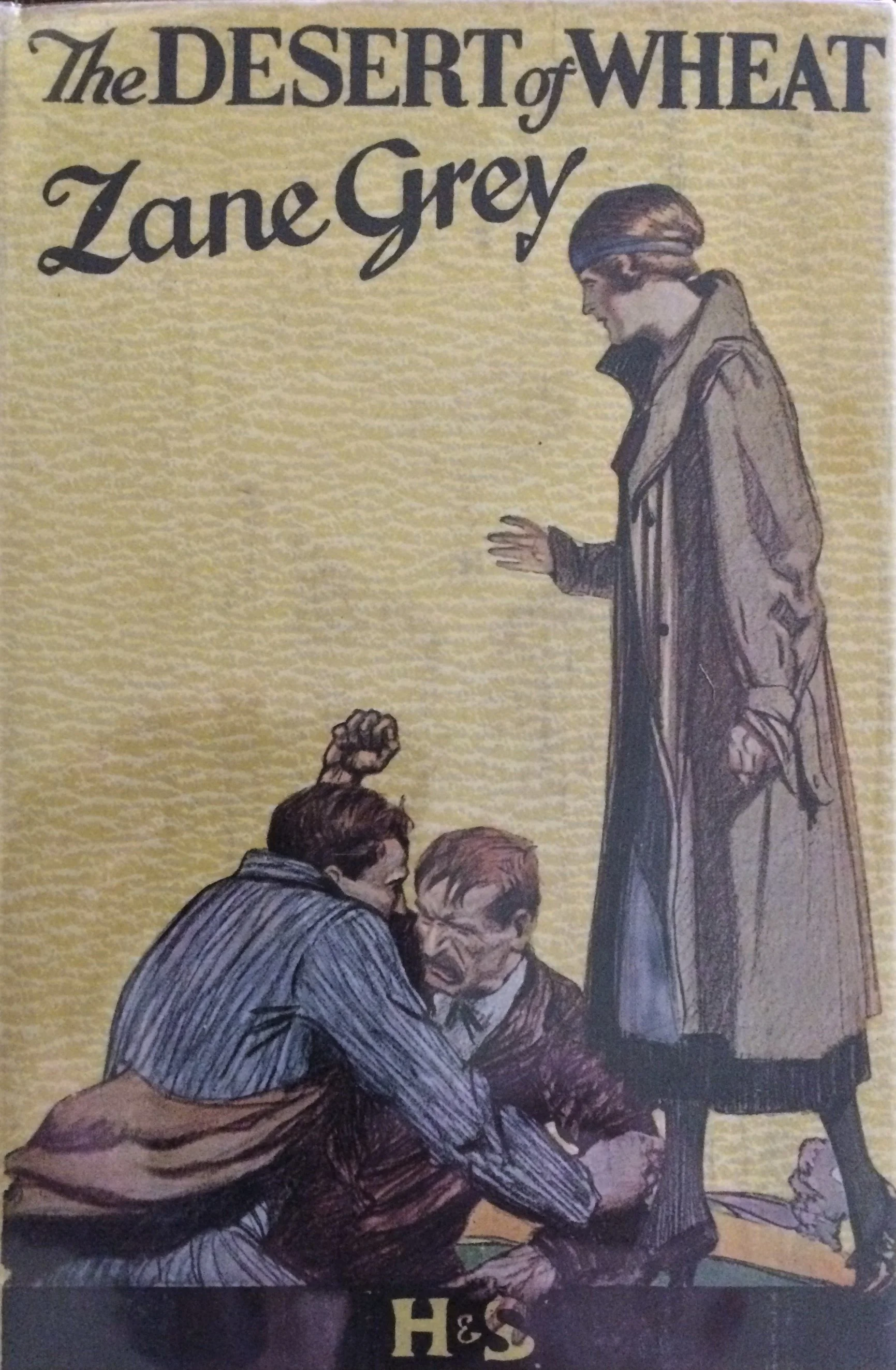
Zane Grey’s novle, The Desert of Wheat, was set near Connell, WA.
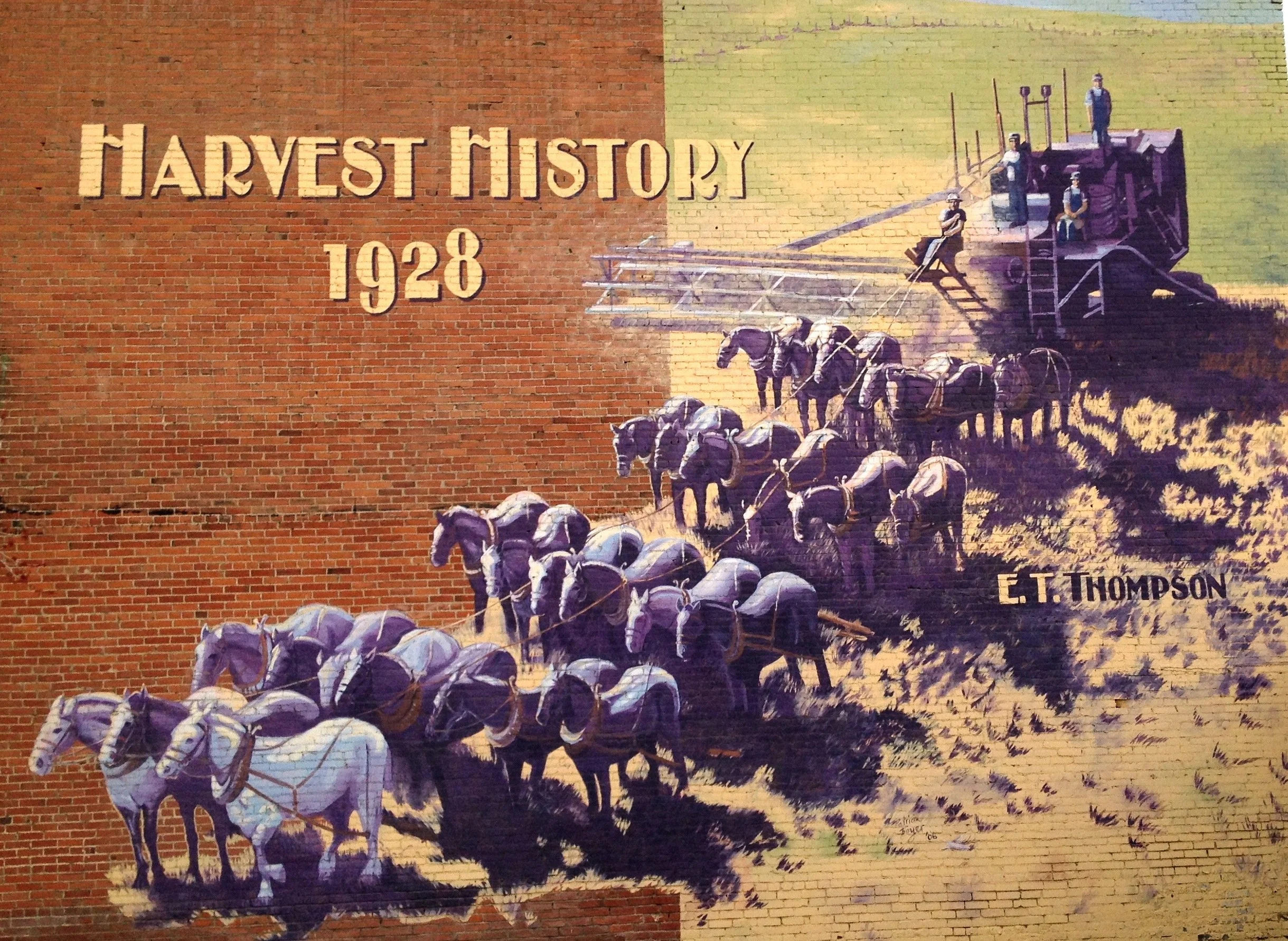
City of Connell building mural by Pullman artist Pat Boyer, based on a 1920’s photograph of a local horse-pulled combine showing the kind of grain threshing equipment Grey described in The Desert of Wheat
From Our Fields to Your Flour Mill
For today's home millers and artisan bakers, heritage grains offer something special: an opportunity to rediscover the distinctive flavors, textures, and baking characteristics of wheat varieties that were once familiar to earlier generations, including those in this remarkable part of the world. And when you mill your own flour, that connection becomes even more tangible. The aroma of freshly milled grain, the character of the dough, and the flavor of a loaf fresh from the oven all begin with the wheat itself. The flavor and nutrition of freshly milled heritage grains are unbeatable.
At Palouse Heritage, we're committed to growing these remarkable grains with care, working with farmers who value healthy soils, responsible stewardship, and the preservation of agricultural biodiversity. We work hard to bring the extraordinary grain-growing heritage of the Palouse directly to your kitchen, one bag of wheat at a time.
Discover the Difference of Palouse Heritage Grains
The next time you mill fresh flour or bake a loaf of homemade bread, consider the story behind the grain. From the wheat fields of Palouse Junction more than a century ago to our farms today, it's a story of perseverance, stewardship, and a passion for exceptional wheat, barley, and other grains. We invite you to become part of that story.
Explore our heritage grains at Palouse Heritage Mercantile and discover the flavor, freshness, and satisfaction of baking with wheat grown in one of America's great grain-growing regions.
Happy milling and baking!
…A thousand hills lay bare to the sky and half of every hill was wheat and half was fallow ground, and all of them, with the shallow valleys between, seemed big and strange and isolated. The beauty of them was austere, as if the hand of man had been held back from making green his home site, as if the immensity of the task had left no time for youth and freshness. Years, long years were there in the round-hilled, many-furrowed gray old earth. And the wheat looked a century old.
—Zane Grey, The Desert of Wheat (1919)