
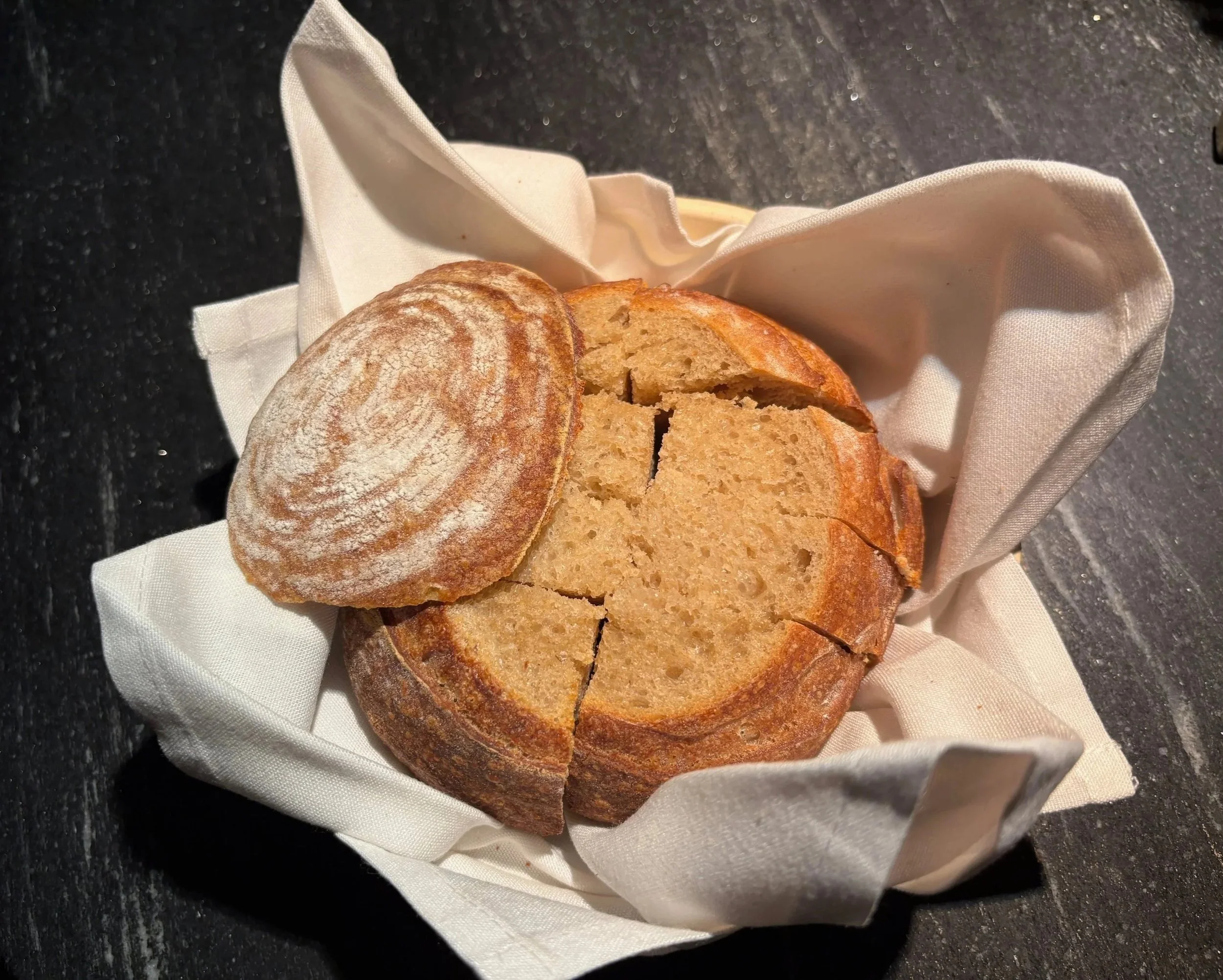
A loaf of LUCIEN’s famous Amber Eden® sourdough bread. LUCIEN is a Michelin star restaurant in San Diego, CA. Their menu changes with the seasons, with one exception: the Amber Eden bread. Customers wouldn't let it go, so it's the only item that has never rotated off!
From a grain market in Mesopotamia to the wheat fields of the Palouse, Amber Eden® is a rare heritage wheat with an extraordinary history and exceptional qualities for bread baking.
What if you could bake a loaf of bread with a wheat variety whose origins date back to the early periods of human history?
For home bakers who mill their own flour, the choice of wheat matters. Different varieties bring different flavors, textures, and baking characteristics to the kitchen. Some are best suited to pastries and biscuits, while others have the protein and gluten-forming potential needed for a well-risen loaf of bread.
Amber Eden® is particularly unusual. It's an extremely rare, naturally occurring heritage hard white wheat, combining the lighter color and mild sweetness of white wheat with the high protein content that bread bakers look for in hard wheat.
And its story begins more than a century ago in a grain market along the Persian Gulf.
A Rare Wheat Discovered in an Ancient Grain Market
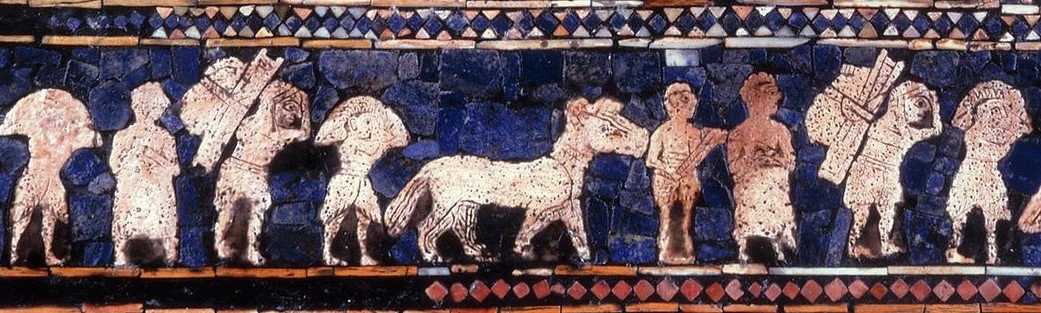
A detail from the Standard of Ur, depicting scenes of daily life, livestock, and the movement of goods in ancient Mesopotamia, where agriculture and grain cultivation were central to civilization. Amber Eden originated in that part of the world.
In the late 1800s and early 1900s, the United States Department of Agriculture sent plant explorers around the world in search of new crops and agricultural varieties that might benefit American farmers.
One of the most influential of these explorers was David Fairchild¹ (1869–1954), a botanist who helped establish the USDA's Office of Foreign Seed and Plant Introduction. Fairchild traveled extensively, introducing thousands of plants to American agriculture, including varieties of mangoes, avocados, dates, and pistachios. His work helped transform the diversity of crops grown in the United States.
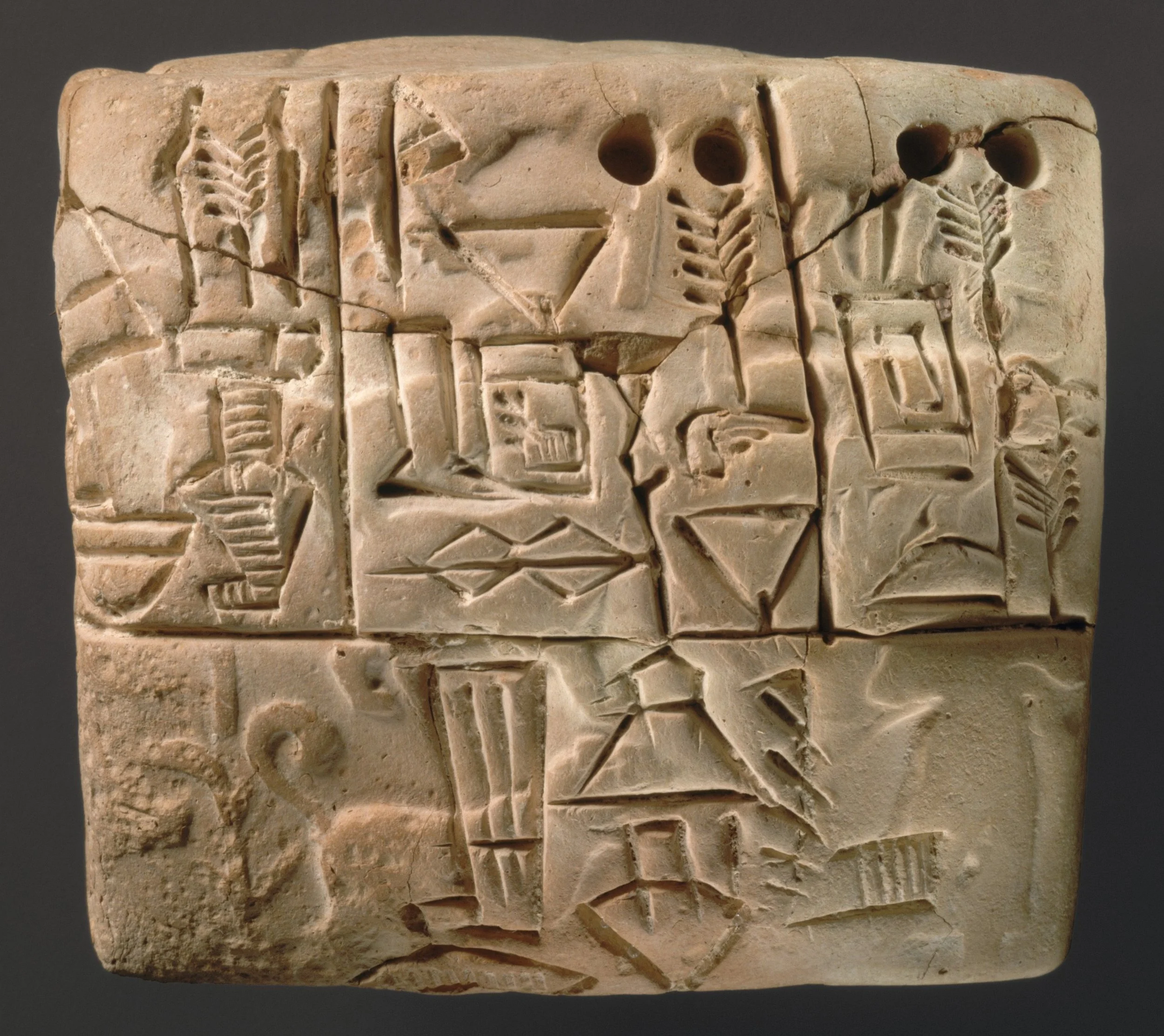
An ancient Mesopotamian clay tablet bearing early cuneiform writing. Some of the earliest written records documented agricultural goods and grain, reflecting the important role of farming in the region's history.
Among the remarkable discoveries he made was an unusual wheat he encountered in a grain bazaar in the ancient Persian city of Basra, in present-day Iraq.
According to the historical account, when the explorer asked the local grain vendor about the wheat, the vendor claimed it came from the Garden of Eden, and identified it by a name associated with Gihon, one of the four rivers described in the biblical Eden.
The story might have sounded fanciful, but the grain itself proved remarkable.
When the wheat was brought back to the United States and examined at the USDA's laboratory in College Park, Maryland, scientists discovered that it was a naturally occurring hard white wheat with unusually high protein content.
That combination was exceptionally rare.
The wheat had the strength and protein needed for bread-making, but with the lighter color and milder flavor associated with white wheat. It offered something natural that plant breeders would spend much of the following century working to engineer using modern industrial breeding methods.
What Makes Amber Eden So Unusual?
To appreciate Amber Eden, it helps to understand the difference between hard red, soft white, and hard white wheat.
Hard red wheat is commonly used for bread because of its high protein content and strong gluten-forming characteristics. But its reddish bran also produces a darker whole-grain flour with a more pronounced wheat flavor.
Soft white wheat, widely grown here in the Pacific Northwest, produces lighter-colored flour with a mild flavor. Its lower protein content makes it especially well suited for cakes, pastries, biscuits, and other tender baked goods.
Hard white wheat combines desirable characteristics of both: the breadmaking potential of hard wheat with the lighter color and milder flavor of white wheat.
The remarkable thing about Amber Eden is that this combination occurred naturally.
Basically, all modern commercial hard white wheat varieties are products of deliberate scientific breeding programs. Over generations, plant breeders have crossed and selected wheat lines to develop varieties combining hard kernels, white bran, strong baking characteristics, disease resistance, and desirable agricultural performance. In essence, they are working to achieve a combination of characteristics that is uncommon in naturally occurring wheat populations. Typically, the characteristics breeders are trying to develop are related to increased yield and profit, which comes at the expense of nutrition and flavor.
Amber Eden is different. It is a heritage landrace wheat, originating from traditional agricultural populations rather than a modern breeding program. Thus it retains its natural, vibrant flavor and nutrition. Its unusual combination of hard white kernels and high protein content existed long before today's commercial wheat breeding efforts.
For home bakers, that history is interesting. But what makes Amber Eden especially worthwhile is how those characteristics translate into flour and bread.
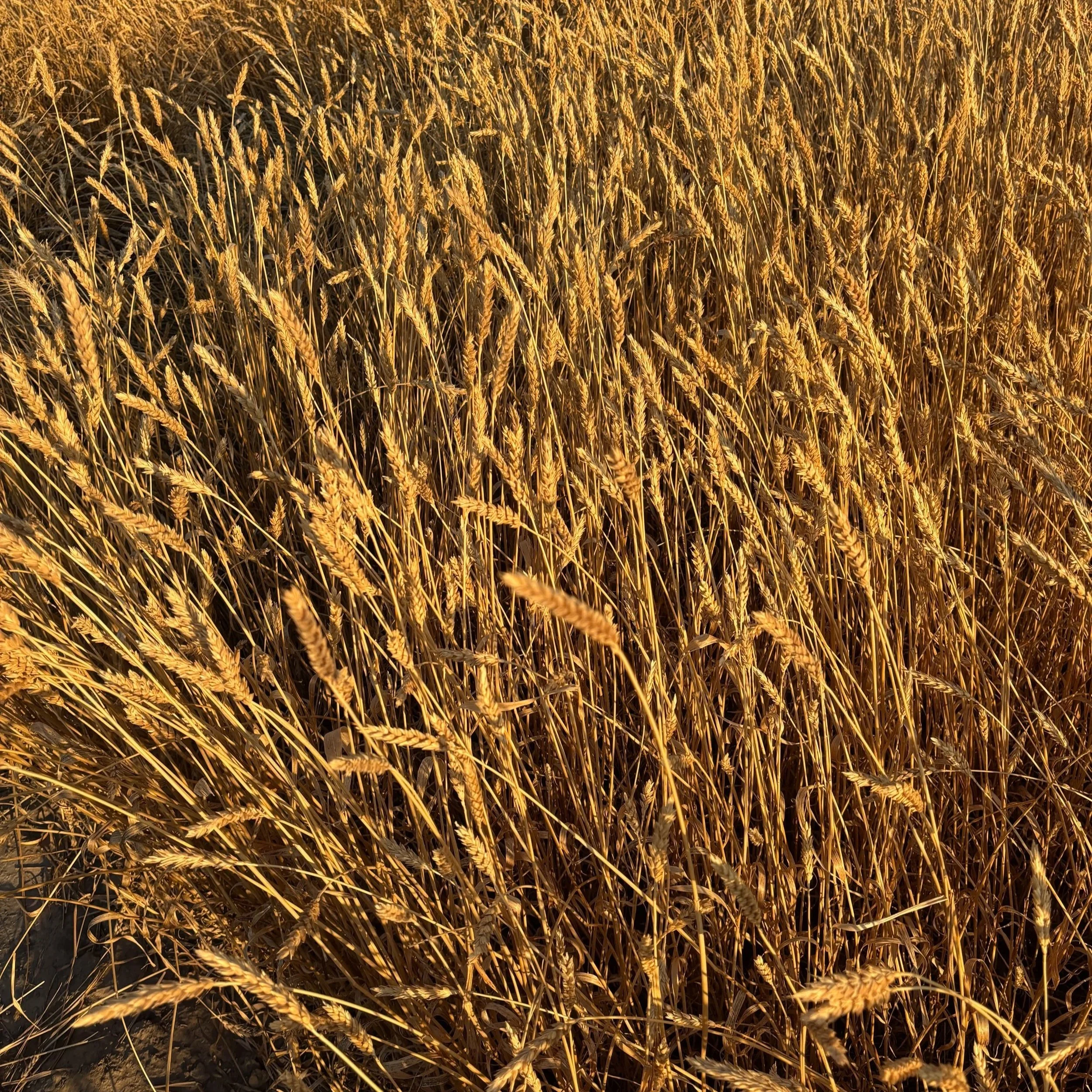
Amber Eden ripening just before harvest
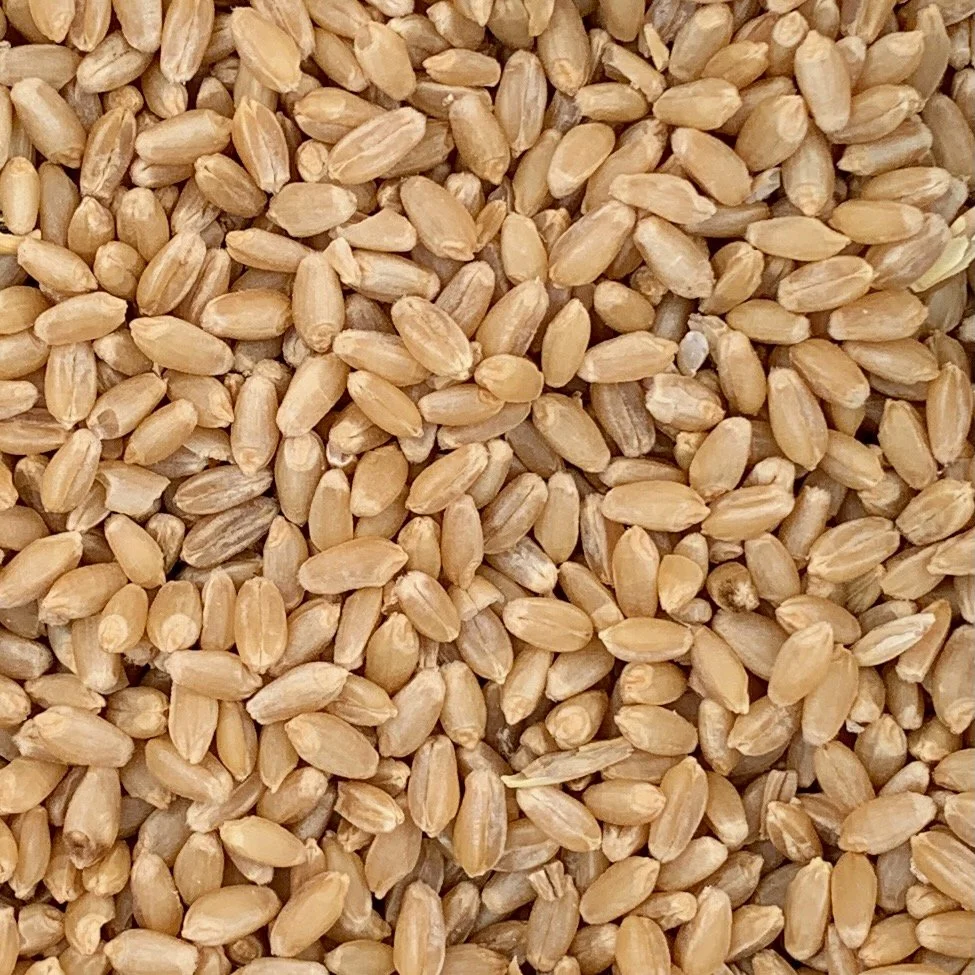
Amber Eden’s hard white kernels have a majestic quality
From a French Seed Collection to the Palouse
Although the original wheat attracted the attention of USDA scientists in the early 1900s, it eventually disappeared from widespread cultivation.
Years later, our search for rare heritage grains led us back to the historical USDA records describing this unusual hard white wheat. We began looking for surviving seed.
Fortunately, a small sample of the same variety had been preserved in a French germplasm center, a facility dedicated to conserving agricultural genetic diversity.
From that small quantity of seed, we began the patient process of bringing the wheat back into cultivation. It has taken us nearly a decade to grow out enough Amber Eden seed to now finally offer it for sale commercially!
We named it Amber Eden®, inspired by the beautiful amber translucence of its kernels and the ancient story associated with its discovery.
It's a remarkable connection between the ancient agricultural traditions of Mesopotamia, the early work of USDA plant explorers, and the heritage grain fields we tend today.
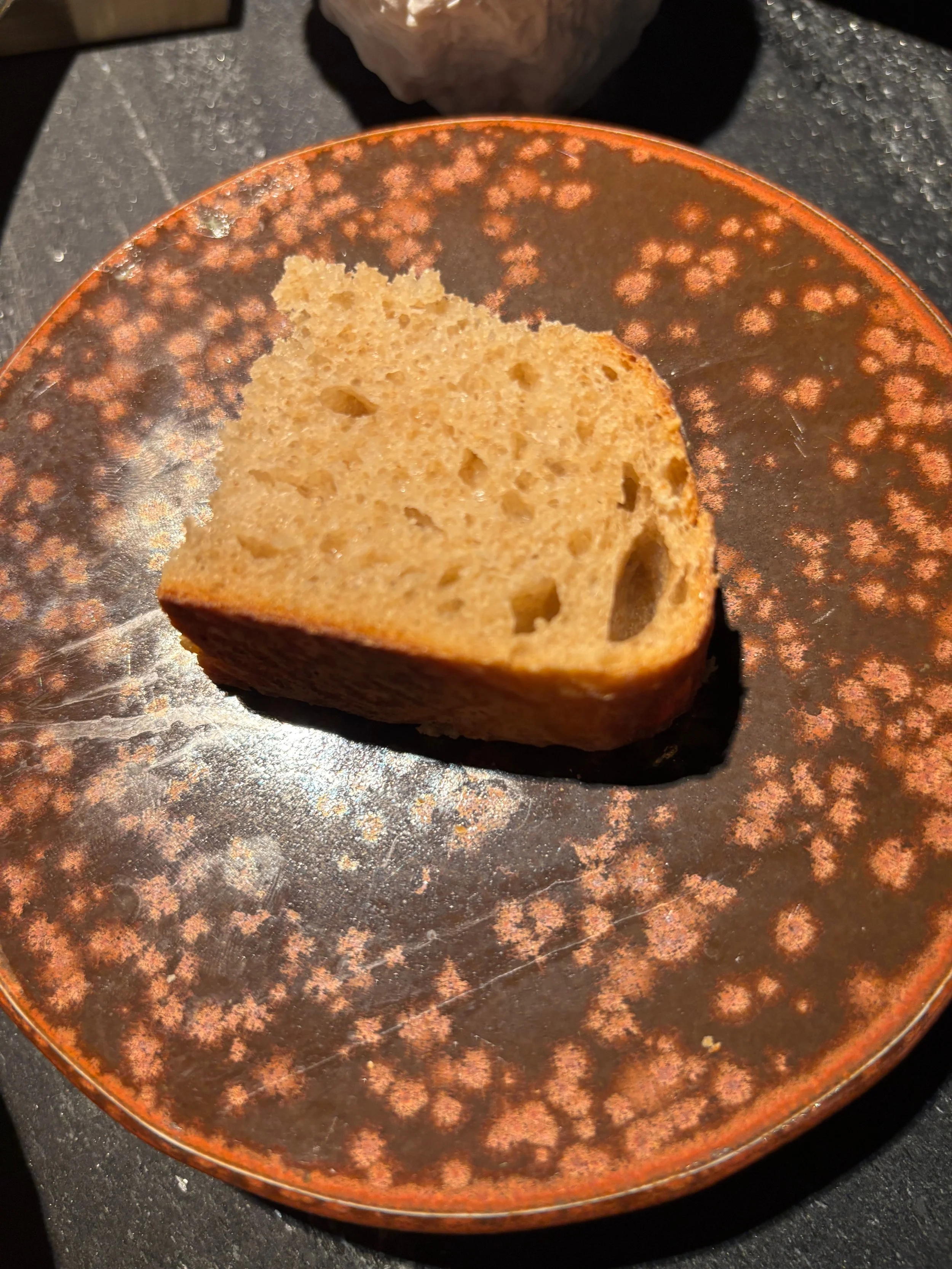
Slice of Amber Eden® Sourdough bread from LUCIEN

Havesting Amber Eden at Palouse Colony Farm
The Latest Harvest: Exceptional Grain Quality
Our most recent Amber Eden harvest provided another reason to appreciate this unusual wheat.
USDA grain inspection results confirmed that our crop earned a U.S. No. 1 grade, with strong protein levels, excellent test weight, and low moisture content.
| Grain quality measure | Latest harvest |
|---|---|
| USDA grade | U.S. No. 1 |
| Protein | Over 14% |
| Test weight | 63.8 lb/bu |
| Moisture | 8.3% |
For home bakers and millers, these numbers tell an interesting story.
Protein over 14%: Protein content is an important consideration for bread baking. While protein alone doesn't determine gluten strength or bread performance, these levels are encouraging for bakers looking to make well-risen whole-grain loaves. Amber Eden has consistently tested in the 14.4% to 16.1% protein range as we have grown it out over the past several years.
Test weight of 63.8 pounds per bushel: Test weight measures the bulk density of grain. This high reading is a good indication of well-filled, dense kernels, an encouraging characteristic for grain quality and milling, especially for a heritage grain.
Moisture of 8.3%: Low moisture content is favorable for storing whole wheat berries, helping maintain grain quality when stored in appropriate conditions.
U.S. No. 1 grade: This is the highest USDA numerical grain grade, reflecting the crop's strong physical quality according to federal grain grading standards.
These results are particularly satisfying because Amber Eden isn't a modern wheat bred specifically for today's commercial production systems. It's a heritage variety preserved from an older agricultural tradition, yet it continues to demonstrate highly impressive grain quality.
Baking with Amber Eden: A Heritage Wheat for the Home Kitchen
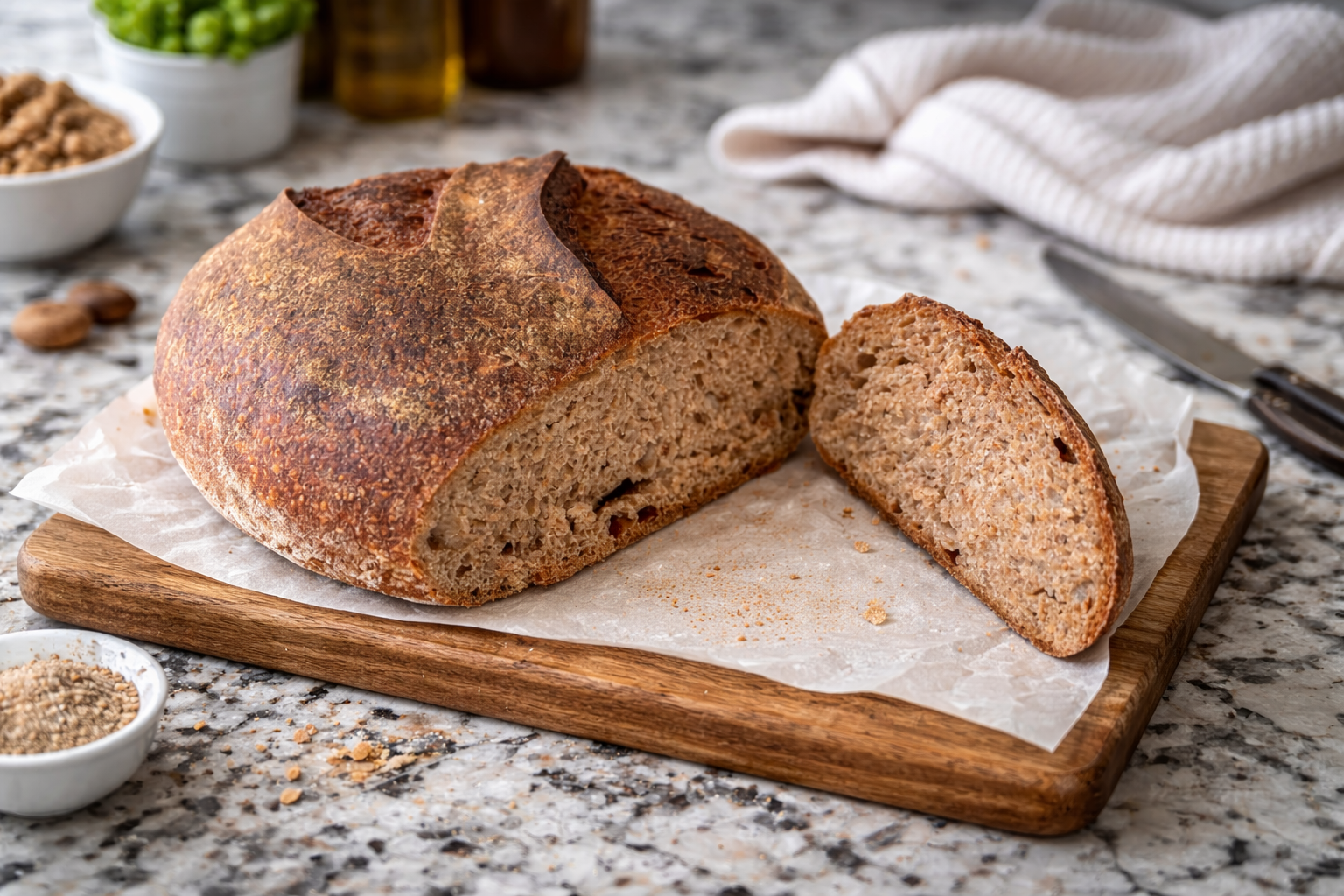
Loaf of Amber Eden sourdough bread made by our friends at Fernhorn Bakery on Vashon Island, WA.
Of course, the most important test of any wheat happens in the kitchen.
Amber Eden's combination of high protein, light color, and gentle sweetness makes it a versatile choice for home bakers. It's particularly well suited to recipes where you want the benefits of whole-grain flour without an overly heavy texture or strong wheat flavor.
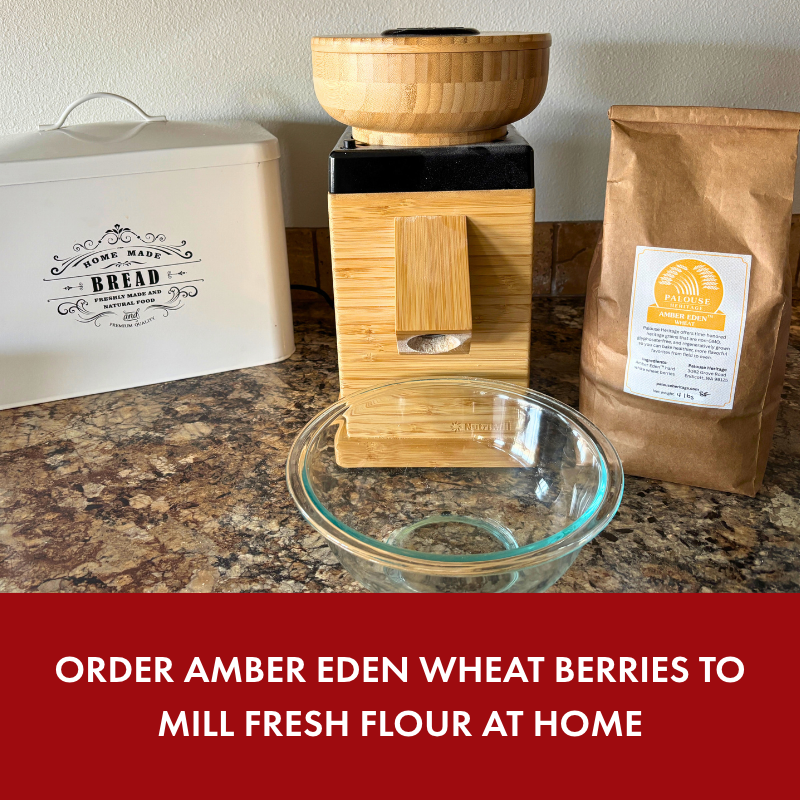
For home millers, Amber Eden offers the opportunity to make freshly milled, 100% whole-grain flour with the bran and germ intact. Its naturally lighter color and mild flavor make it especially approachable for families accustomed to conventional white bread.
Amber Eden is an excellent wheat to explore for everyday sandwich loaves, dinner rolls, hamburger buns, cinnamon rolls, and other enriched breads. Its protein content also makes it a promising choice for artisan breads, sourdough, and pizza dough.
Like other heritage wheats, Amber Eden has its own baking characteristics, and its dough may behave differently from modern commercial bread flour. But that's part of the pleasure of working with distinctive grains. Each variety brings something different to the kitchen.
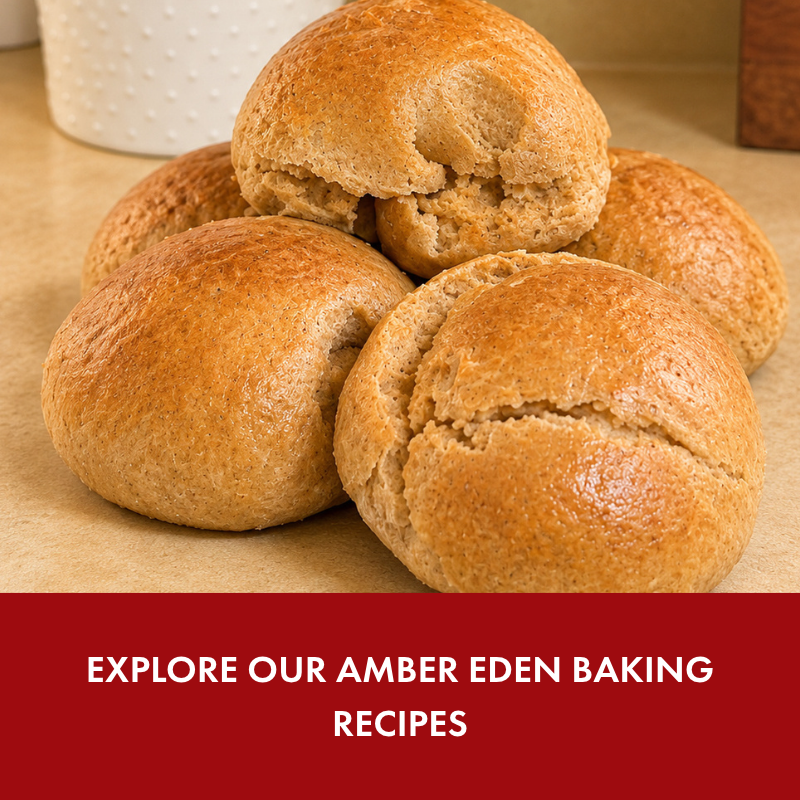
We've developed and collected recipes that showcase Amber Eden's versatility, from everyday breads to sweeter baked goods.
Explore our Amber Eden® baking recipes for ideas and inspiration.
Tips for Milling and Baking with Amber Eden
If you're accustomed to baking with commercial all-purpose or bread flour, freshly milled Amber Eden may require a few adjustments.
The good news is that these are the same techniques that help bring out the best in many freshly milled whole grains.
1. Give your flour time to absorb water.
Freshly milled whole-grain flour contains the entire wheat kernel, including the bran and germ. These components absorb water differently than refined white flour.
After mixing your flour and water, allowing the dough to rest for 20 to 30 minutes can improve hydration and make the dough easier to handle.
2. Pay attention to dough consistency rather than following hydration numbers blindly.
Freshly milled whole wheat often requires more water than refined flour. Start with your recipe's recommended amount, then adjust gradually based on how the dough feels.
3. Develop gluten, but don't rely on protein percentage alone.
Amber Eden's high protein content is encouraging, but heritage wheats can behave differently from modern commercial bread flours. Mixing, resting, folding, and fermentation all contribute to the finished loaf.
4. Watch the dough, not just the clock.
Fermentation times vary with flour, temperature, starter or yeast activity, and hydration. Look for the appropriate rise and dough development rather than relying exclusively on a recipe's stated timing.
5. Experiment with 100% Amber Eden or a blend.
For a loaf that showcases the grain's full character, try using 100% freshly milled Amber Eden flour. If you're transitioning from refined flour, you can also begin by replacing a portion of your usual bread flour and adjusting the recipe as you become familiar with it.
Preserving a Grain Worth Growing
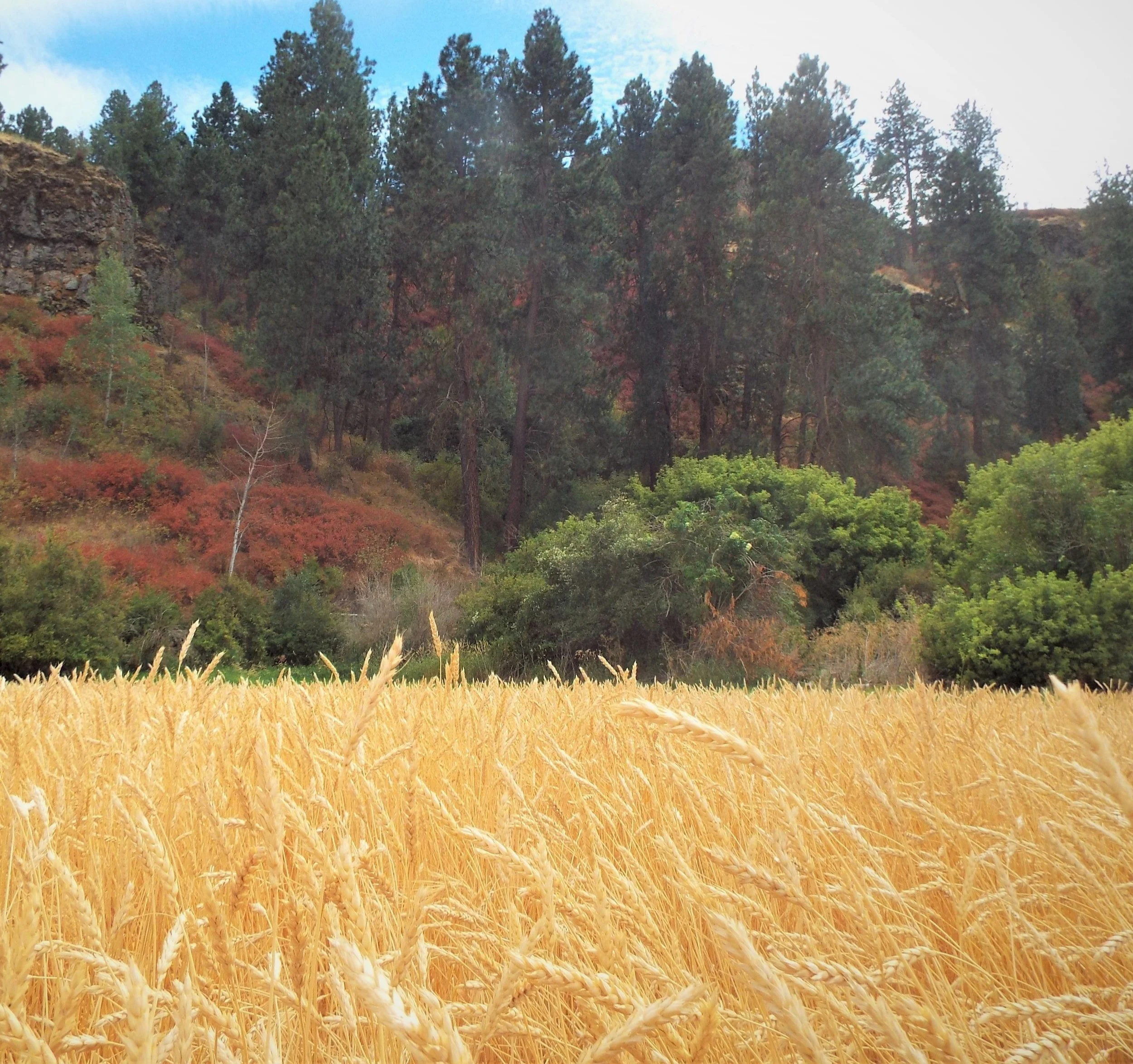
Field of Palouse Heritage Amber Eden® wheat at our Palouse Colony Farm
Amber Eden's story is about more than its performance in a loaf of bread.
For thousands of years, farmers saved seed from one harvest to plant the next. Over generations, these practices helped develop and preserve an extraordinary diversity of grains adapted to different regions, climates, and food traditions.
Many of those varieties have since disappeared from commercial agriculture.
Preserving heritage grains means keeping that agricultural diversity alive, not simply in seed collections, but in working fields, flour mills, and home kitchens.
That's part of what makes Amber Eden so meaningful to us at Palouse Heritage. A wheat once encountered in a Mesopotamian grain market, later studied by USDA scientists in Maryland and preserved in a European seed collection, is now being grown again in the Pacific Northwest.
And perhaps the most satisfying part of that story is that it can end with a fresh loaf of bread on your kitchen table.
Interested in Baking with Amber Eden?
There are some fun connection between David Fairchild and our own corner of the Pacific Northwest. Fairchild was a distant relative of Muir S. Fairchild, with both men tracing their ancestry to a common ancestor who immigrated to colonial America. Born and raised here in Washington State, Muir Fairchild went on to become Vice Chief of Staff of the U.S. Air Force and Commandant of Air University. Fairchild Air Force Base, located just a few dozen miles from our family’s Palouse Colony Farm, was named in his honor. The connection is also a personal one for Palouse Heritage. Our General Manager and Scheuerman family member, Karl, began his Air Force career at Fairchild Air Force Base and later commanded a cyber intelligence squadron based there. During college, he studied in Fairchild Hall, the main academic building at the U.S. Air Force Academy, also named in the general’s honor.